What is MS Pipe and Its Common Uses
2025-06-27
What is MS Pipe and Its Common Uses
MS pipes are an integral part of various industries and applications, and it is important to have a solid understanding of their features and uses. From construction and structural engineering to machinery and irrigation systems, these pipes are valued for their strength, workability, and cost-effectiveness. But exactly what is MS pipe? Knowing the answer helps in selecting the right type of material for different needs and ensures better performance in real-world applications. Let's take a closer look at what MS pipe means and where it's most commonly used.
What is MS Pipe
MS pipe, short for Mild Steel pipe, is a type of carbon steel pipe made from low-carbon steel, typically containing around 0.16% to 0.29% carbon by weight. This relatively low carbon content makes the material softer and more workable, offering good ductility and ease of welding. As a result, MS pipe is widely used in projects that require bending, shaping, or forming without compromising structural stability.
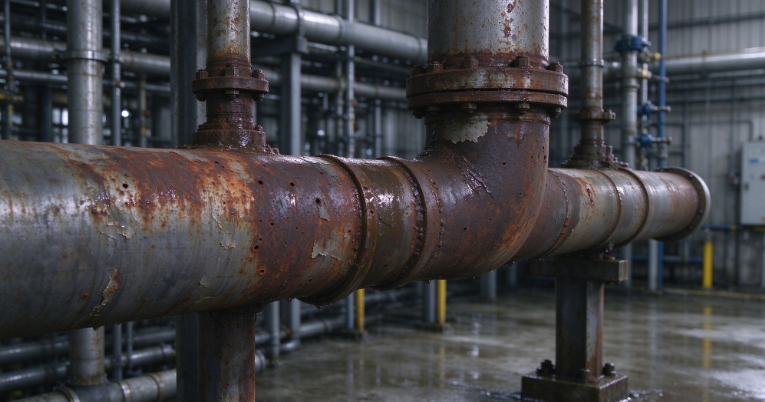
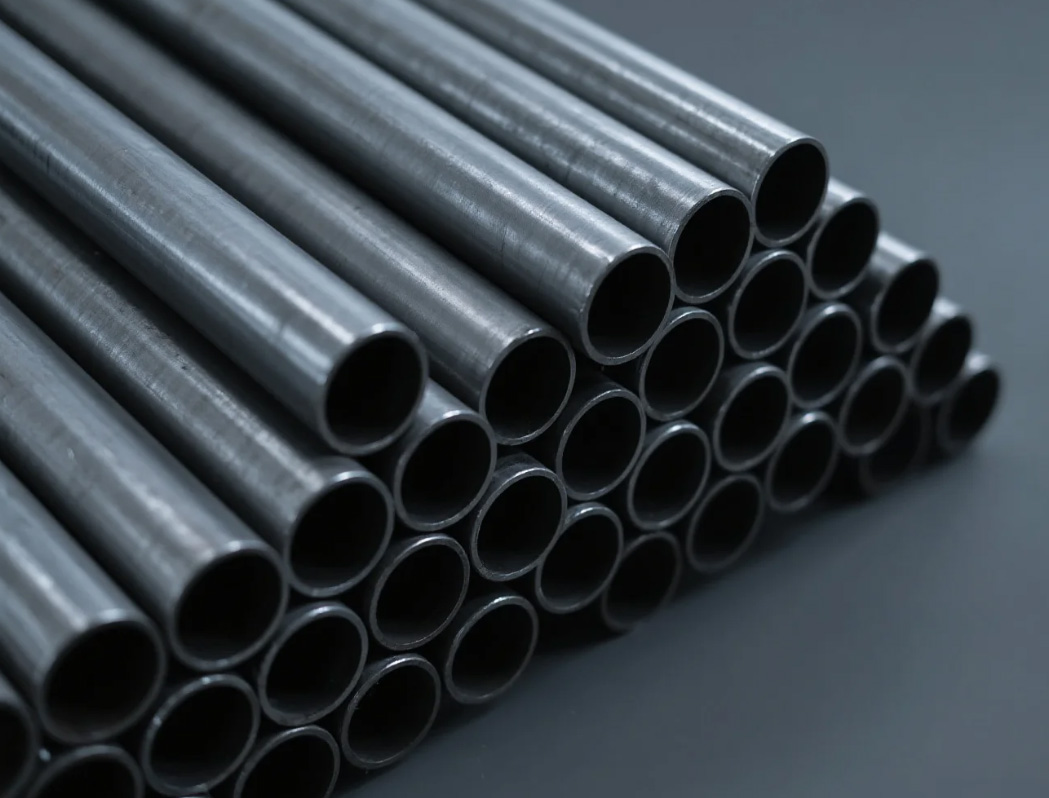
In terms of appearance, MS pipes generally have a dark grey or black surface, which is due to the natural formation of iron oxide during manufacturing. While mild steel has lower tensile strength compared to high-carbon steels, MS pipe still performs reliably under pressure and mechanical stress. With appropriate coating or painting, it also offers reasonable resistance to corrosion in various environments.
MS pipes are produced according to different international standards, depending on the region and specific application. For instance, common standards include IS 1239 and IS 3589 (India), ASTM A53 and ASTM A795 (USA), BS 1387 (UK), EN 10255 (Europe), and JIS G 3444 (Japan). These standards define requirements related to pipe dimensions, chemical composition, mechanical properties, and quality testing procedures.
Having a clear understanding of what is MS pipe can help professionals choose the right material for their projects, especially when balancing cost, performance, and fabrication needs.
What are the Benefits of Using Mild Steel Pipes
Mild steel pipes offer several practical advantages that make them a preferred choice across many industries. Their combination of performance, affordability, and workability contributes to their widespread use in both structural and non-structural applications.
1. Cost-effective
One of the key reasons MS pipes are so commonly used is their affordability. Compared to other metal pipes, they are relatively inexpensive to produce and purchase, helping reduce overall project costs without compromising quality.
2. Easy to Fabricate and Install
Mild steel pipes are easy to cut, drill, weld, and shape, making them highly adaptable to different project requirements. This ease of handling allows for faster installation and fewer delays on-site, which is especially valuable in construction and engineering work.
3. Widely Available
Thanks to their popularity, MS pipes are readily available in a wide range of sizes and thicknesses. Whether for small-scale repairs or large infrastructure projects, sourcing MS pipes is rarely a challenge.
4. Strong and Durable
Despite their low carbon content, mild steel pipes offer good mechanical strength and structural stability. They can handle significant loads and stresses, making them suitable for demanding environments when properly maintained or coated.
Understanding these advantages is an important step in evaluating what is MS pipe and why it continues to be a trusted material in modern construction and industrial applications.