What Is Mild Steel and How Long Is the Life of MS Pipe
2026-03-05
What Is Mild Steel and How Long Is the Life of MS Pipe
Mild steel pipes are widely used in construction, infrastructure, and industrial systems because of their strength, versatility, and relatively low cost. The typical life of MS pipe generally ranges from 20 to 50 years, although the actual service life can vary depending on environmental conditions, corrosion protection, and maintenance.
These pipes are commonly used in water supply systems, structural frameworks, and mechanical applications where reliable steel tubing is required. Because of their widespread use, many engineers and buyers often ask a basic question: what is mild steel, and why is it so commonly used for manufacturing pipes?
In addition to understanding the material itself, it is also important to consider the life of mild steel products in different environments. Factors such as humidity, exposure to corrosive substances, surface treatment, and installation quality can all influence how long mild steel pipes remain in service.
What Is Mild Steel?
Before discussing the service life of steel pipes, it is important to understand what is mild steel. In simple terms, what is mild steel refers to a type of carbon steel with a relatively low carbon content, usually less than about 0.25%. Because of this lower carbon level, mild steel is softer and more workable than high-carbon steel, which makes it widely used in many industrial applications.
From a metallurgical perspective, mild steel in the annealed condition mainly consists of ferrite with a small amount of pearlite. This structure provides good plasticity and toughness, allowing the material to be easily processed through bending, rolling, stamping, and other forming methods. These characteristics are one of the main reasons what is mild steel is frequently discussed in construction and manufacturing industries.
Another important advantage of mild steel is its excellent weldability. Since the carbon content is relatively low, the material can usually be welded without complex heat treatment. This property makes mild steel especially suitable for producing structural components and steel pipes.
Because of its balanced mechanical properties, good formability, and relatively low cost, mild steel is widely used to manufacture products such as chains, rivets, bolts, shafts, and different types of pipes. Understanding what is mild steel helps explain why this material remains one of the most commonly used steels in construction, infrastructure, and mechanical engineering.
What Is the life of mild steel?
The life of mild steel can vary widely depending on the environment and the level of corrosion protection. In general, mild steel is known for its durability and strength, but like most carbon steels, it is susceptible to corrosion if it is exposed to moisture and oxygen over a long period of time.
Under normal indoor conditions where the material is protected from humidity and corrosive substances, the life of mild steel can often exceed several decades. Structural components made from mild steel may remain in service for 40 years or even longer when they are properly maintained and protected from rust.
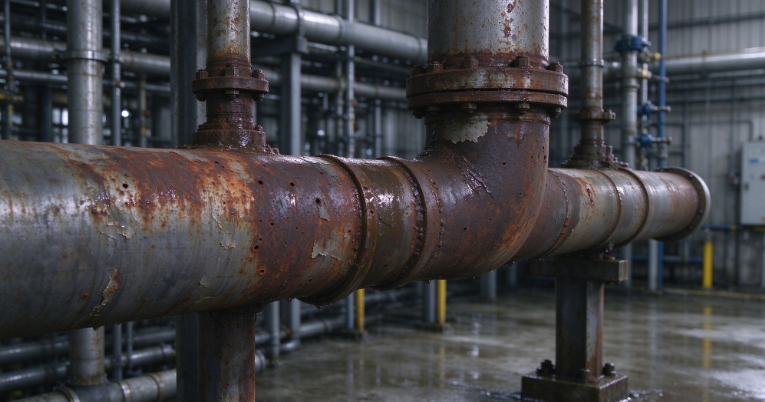
However, the life of mild steel can be significantly reduced in harsh environments. In areas with high humidity, frequent exposure to water, or contact with chemicals, corrosion may gradually weaken the material. Without protective coatings or maintenance, the service life may become much shorter.
Surface treatment plays an important role in extending the life of mild steel. Processes such as painting, galvanizing, or applying anti-corrosion coatings can help prevent direct contact between the steel surface and moisture. With proper protection and regular maintenance, the life of mild steel products can be greatly extended even in demanding conditions.
Because of these characteristics, mild steel continues to be widely used in construction, pipelines, and industrial equipment where both strength and cost efficiency are important considerations.