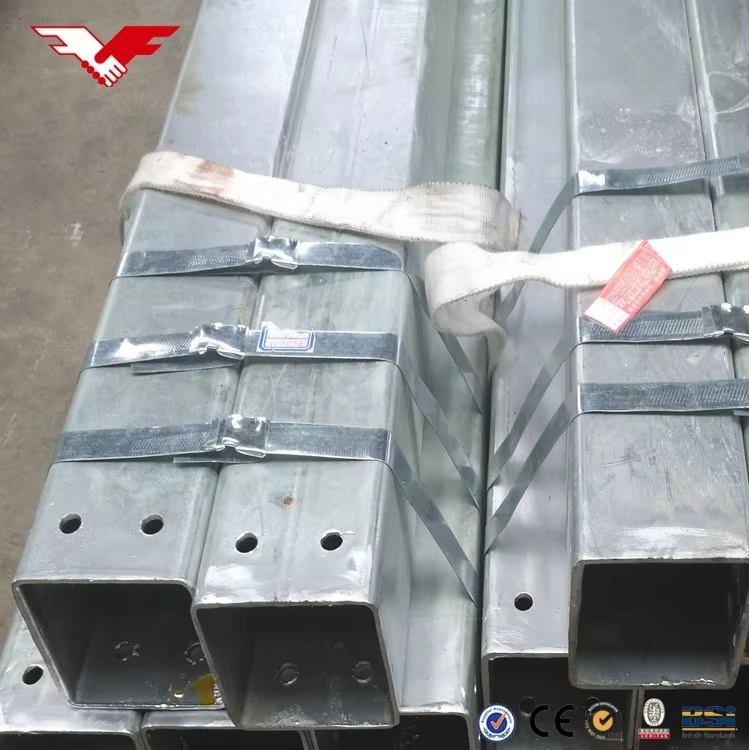
BS1139 EN39 Hot Dipped Galvanized Scaffolding Carbon Steel Pipe


BS1139 EN39 Hot Dipped Galvanized Scaffolding Carbon Steel Pipe
Scaffolding Steel Pipe
Galvanized steel pipes are essential in scaffolding systems due to their excellent strength and durability. The galvanization process, which involves coating the steel with zinc, protects the pipes from corrosion, making them ideal for outdoor construction projects. These pipes are versatile and can be easily cut and connected to form different scaffolding configurations. Their robust nature enhances safety, ensuring that scaffolding remains stable and reliable during use. Overall, galvanized steel pipes are a popular choice for providing secure support in various construction applications.
Quantity

What Is Scaffolding Galvanized Steel Pipe?
Scaffolding galvanized BS1139 steel pipe is a type of pipe specifically designed for use in scaffolding systems. Made from high-strength steel, these pipes are coated with a layer of zinc through a galvanization process. This coating serves a critical purpose: it protects the steel from rust and corrosion, making the pipes suitable for outdoor construction projects where exposure to moisture and harsh weather conditions is common.
The primary function of scaffolding galvanized BS1139 steel pipes is to provide structural support in temporary frameworks that allow workers to safely access elevated areas. Their robust construction ensures they can bear substantial loads, making them ideal for various applications, including building construction, maintenance work, and renovations.
These pipes are available in various lengths and diameters, allowing for versatile configurations to meet the specific requirements of different projects. They can be easily connected and assembled with other scaffolding components, such as couplers and braces, to create stable and secure platforms for workers and materials.
In summary, scaffolding galvanized steel pipes are essential for safe and effective scaffolding systems. Their combination of strength, durability, and resistance to corrosion makes them a reliable choice for construction professionals seeking to ensure the safety and efficiency of their work environments.
The primary function of scaffolding galvanized BS1139 steel pipes is to provide structural support in temporary frameworks that allow workers to safely access elevated areas. Their robust construction ensures they can bear substantial loads, making them ideal for various applications, including building construction, maintenance work, and renovations.
These pipes are available in various lengths and diameters, allowing for versatile configurations to meet the specific requirements of different projects. They can be easily connected and assembled with other scaffolding components, such as couplers and braces, to create stable and secure platforms for workers and materials.
In summary, scaffolding galvanized steel pipes are essential for safe and effective scaffolding systems. Their combination of strength, durability, and resistance to corrosion makes them a reliable choice for construction professionals seeking to ensure the safety and efficiency of their work environments.
Scaffolding Galvanized Steel Pipe Description
| Brand | Youfa Steel Pipe Manufacturer |
| Material | Carbon Steel |
| Size | OD: 47-48.6MM |
| THICKNESS: 2.0-8.0MM | |
| LENGTH: 1.0-6.5M | |
| Steel Grade | Q195 = S195 / A53 Grade A |
| Q235 = S235 / A53 Grade B / A500 Grade A / STK400 / SS400 / ST42.2 | |
| Q355 = S355JR / A500 Grade B Grade C | |
| Standard | EN39, BS1139, BS1387, EN10255, ASTM A53, ASTM A500, A36, ASTM A795, ISO65, ANSI C80, DIN2440, JIS G3444, GB/T3091, GB/T13793 |
| Surface | Zinc coating 200-500g/m2 (30-70um) |
| Ends | Plain ends with or without caps |
Scaffolding Galvanized Steel Pipe Specifications
| DN | OD | Standard: BS1387 EN10255 BS1139 EN39 | ||||||
| LIGHT | MEDIUM | HEAVY | ||||||
| INCH | MM | Thickness | Unit Weight | Thickness | Unit Weight | Thickness | Unit Weight | |
| 32 | 1 1/4" | 42.2 | 2.6mm | 2.54 KG/M | 3.2mm | 3.08 KG/M | 4.0mm | 3.77 KG/M |
| 40 | 1 1/2" | 48.3 | 2.9mm | 3.25 KG/M | 3.6mm | 3.56 KG/M | 4.0mm | 4.37 KG/M |
| 50 | 2" | 60.3 | 2.9mm | 4.11 KG/M | 3.6mm | 5.03 KG/M | 4.5mm | 6.19 KG/M |

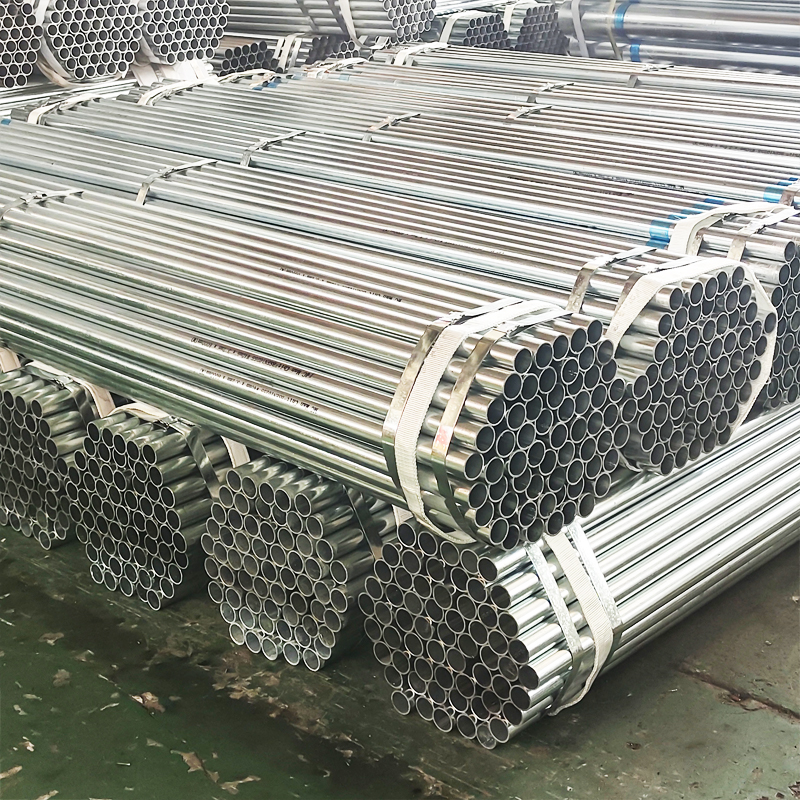
Scaffolding Galvanized Steel PipeProduct Show


Scaffolding Glavanized Steel PipeFAQ
1.Q: What is a scaffolding galvanized steel pipe?
A: A scaffolding galvanized steel pipe is a steel pipe that has been coated with zinc to protect it from rust and corrosion. This type of pipe is specifically designed for use in scaffolding systems, providing essential structural support for workers and materials at elevated heights during construction projects.
2.Q: Why are galvanized steel pipes preferred for scaffolding?
A: Galvanized steel pipes are favored in scaffolding because they combine strength with corrosion resistance. The zinc coating significantly extends the lifespan of the pipes, making them ideal for outdoor construction where exposure to moisture is common. This durability ensures safety and reliability, which are critical in construction environments.
3.Q: How are scaffolding galvanized steel pipes assembled?
A: To assemble scaffolding using galvanized steel pipes, workers connect the pipes using couplers and braces. These connections form a stable framework that can support platforms and ladders. Proper assembly techniques are crucial to ensure stability and safety, including following manufacturer guidelines and conducting regular inspections.
4.Q: How long can galvanized steel pipes be used in scaffolding?
A: With proper care and maintenance, galvanized steel pipes can last for many years, often exceeding 20 years. Their corrosion-resistant properties allow them to withstand harsh environmental conditions, making them a reliable choice for both temporary and long-term scaffolding applications.
5.Q: Are there any safety considerations when using scaffolding galvanized steel pipes?
A: Yes, safety is paramount when using scaffolding galvanized steel pipes. It is essential to ensure that the pipes are properly installed and regularly inspected for signs of wear or damage. Workers should also follow safety protocols, such as using appropriate fall protection equipment and ensuring that the scaffolding is level and stable.