High Quality and Durable PE100 Pipe


High Quality and Durable PE100 Pipe
PE100
FOB/CIF
1forty-foot container
Tianjin, China
30Day
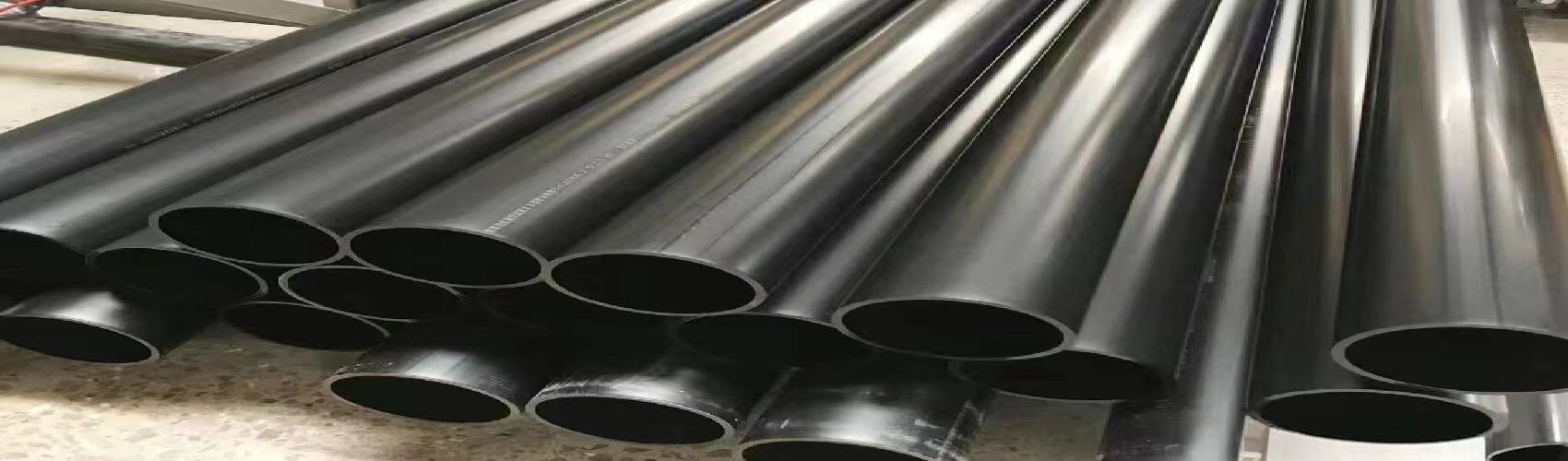
PE100 pipe is a type of HDPE pipe, made from high-density polyethylene (HDPE), a thermoplastic polymer produced through a low-pressure polymerization process. Polyethylene (PE) pipes are categorized into high-density (HDPE), low-density (LDPE), and linear low-density (LLDPE) types, among which HDPE pipes are the most commonly used due to their superior performance.
Quantity
What Is PE100 Pipe
PE100 pipe is a type of HDPE pipe, made from high-density polyethylene (HDPE), a thermoplastic polymer produced through a low-pressure polymerization process. Polyethylene (PE) pipes are categorized into high-density (HDPE), low-density (LDPE), and linear low-density (LLDPE) types, among which HDPE pipes are the most commonly used due to their superior performance.
High-density polyethylene features excellent rigidity, toughness, and mechanical strength, along with outstanding heat resistance and chemical stability. It also has the lowest permeability and strongest corrosion resistance among all polyethylene materials, making it highly suitable for pressure piping systems, injection-molded products, and industrial applications.
PE100 pipes, produced from this high-grade HDPE material, combine durability, flexibility, and resistance to environmental stress cracking, providing a reliable solution for modern water, gas, and industrial pipeline systems.
What Is Functional Classification of PE100 Pipes
PE100 pipes, a high-performance member of the HDPE pipe family, are designed for a variety of applications. Each type of pipe is manufactured in accordance with relevant national and international standards to ensure reliability and safety:
Water Supply Pipes (PE Water Pipe)
Used for potable water and other water supply systems, these pipes offer excellent durability, chemical resistance, and long service life.
Gas Pipes (HDPE Gas Pipe)
Designed for natural gas distribution and other gas applications, these pipes provide high pressure resistance and safety compliance.
Mining Pipes (HDPE Mining Pipe)
Ideal for mining operations and slurry transport, offering superior wear resistance and structural strength.
Drainage Pipes (HDPE Drainage Pipe)
Perfect for building drainage systems, rainwater collection, and non-pressure applications, combining lightweight design with high corrosion resistance.
Other Specialized PE100 Pipes
This category includes steel wire reinforced composite pipes, corrugated pipes, and spiral-wound pipes, each engineered for specific engineering needs and high-performance applications.
All PE100 pipes are manufactured according to national and international standards, ensuring reliable performance across water, gas, mining, and drainage systems.
What are Advantages of PE100 Water Pipes
1. Long Service Life
PE100 pipes are made from high-molecular-weight polyethylene with excellent stability and aging resistance. Under normal operating temperature and pressure conditions, their service life can exceed 50 years, ensuring long-term reliability for water supply systems.
2. Outstanding Corrosion Resistance
The stable molecular structure of polyethylene makes PE100 pipes highly resistant to chemical corrosion from natural gas, LPG, artificial gas, and common soil chemicals. No additional anti-corrosion measures are required, providing a durable solution for various environments.
3. Excellent Flexibility
With a high elongation at break of over 500%, PE100 pipes are highly flexible. This flexibility allows pipes to be bent and routed around obstacles, reducing the need for fittings and lowering installation costs.
4. Superior Impact and Seismic Resistance
PE100 pipes maintain their integrity under a wide temperature range from -60°C to 60°C, making them suitable for extreme climates. Their excellent impact resistance prevents cracking during winter installation and allows them to adapt to uneven ground settlement or seismic activities.
5. High Wear Resistance
Tests show that the wear resistance of PE100 pipes is up to four times that of steel pipes, making them especially suitable for applications such as slurry or sediment transport.
6. Low Hydraulic Resistance
The smooth inner surface of PE100 pipes reduces friction, improving flow capacity compared to traditional pipes while lowering pressure loss and pumping energy consumption.
7. Environmentally Friendly and Safe
PE100 pipes are manufactured without heavy metal stabilizers. They are non-toxic, recyclable, and environmentally friendly, providing a green solution for modern piping systems.
8. Safe, Reliable, and Integrated Joint System
Using heat fusion or electrofusion connections, PE100 pipe joints maintain the same material and structural integrity as the pipe itself. This ensures resistance to internal pressure and axial stress, effectively preventing leaks.
9. Lightweight and Easy to Install
With a density only 1/8 of steel, PE100 pipes are lightweight, easy to handle, bendable, and quick to join. These properties reduce installation time and overall project costs, offering significant economic benefits.
What are the Applications of PE100 Pipes?
1. Municipal Water Supply Systems
Large-diameter PE100 pipes and HDPE pipes are ideal for urban water supply networks. They are hygienic, non-toxic, and scale-resistant, making them perfect for main distribution and underground pipelines. These PE water pipes can replace traditional cement, cast iron, or steel pipes without extensive excavation, reducing installation costs and enabling easy renovation of old networks.
2. Industrial Raw Material Transport
HDPE pipes are widely used in transporting raw materials across various industries, including chemical, textile, food, forestry, pharmaceutical, light industry, paper, and metallurgy, thanks to their chemical resistance and durability.
3. Landscape and Irrigation Water Networks
For garden and landscaping irrigation, PE100 pipes offer flexibility and cost efficiency, making them the preferred choice for large-scale water supply in parks, gardens, and green spaces. These PE water pipes are easy to install and maintain over long distances.
4. Wastewater and Sewage Disposal
With exceptional corrosion resistance, PE100 pipes and HDPE pipes are suitable for industrial wastewater and sewage disposal, providing lower maintenance costs and long-lasting performance.
5. Mining Slurry and Sand Transport
PE100 pipes exhibit high stress and wear resistance, making them ideal for transporting sand, coal ash, and river dredging slurry in mining and related industries.
6. Agricultural Irrigation Systems
The smooth inner surface and high flow capacity of PE100 water pipes make them perfect for agricultural irrigation. They can be laid across roads, resist impact, and provide reliable water delivery over large farmland areas.
FAQ — PE100 Pipes / HDPE Pipes
What is a PE100 pipe?
A: A PE100 pipe is a high-density polyethylene (HDPE pipe) with superior mechanical strength and durability. It is commonly used for water supply, gas distribution, mining, irrigation, and drainage systems.
What are the main advantages of PE100 pipes?
A: PE100 pipes offer long service life (50+ years), excellent corrosion resistance, flexibility, impact resistance, smooth inner surface for low hydraulic loss, and environmentally friendly material. They are lightweight, easy to install, and cost-effective compared to traditional steel, cast iron, or cement pipes.
Can PE100 pipes be used for drinking water?
A: Yes. PE water pipes are non-toxic, hygienic, and scale-resistant, making them suitable for potable water supply in municipal and industrial systems.
How do I identify the type of PE pipe by color?
A: Color codes are commonly used:
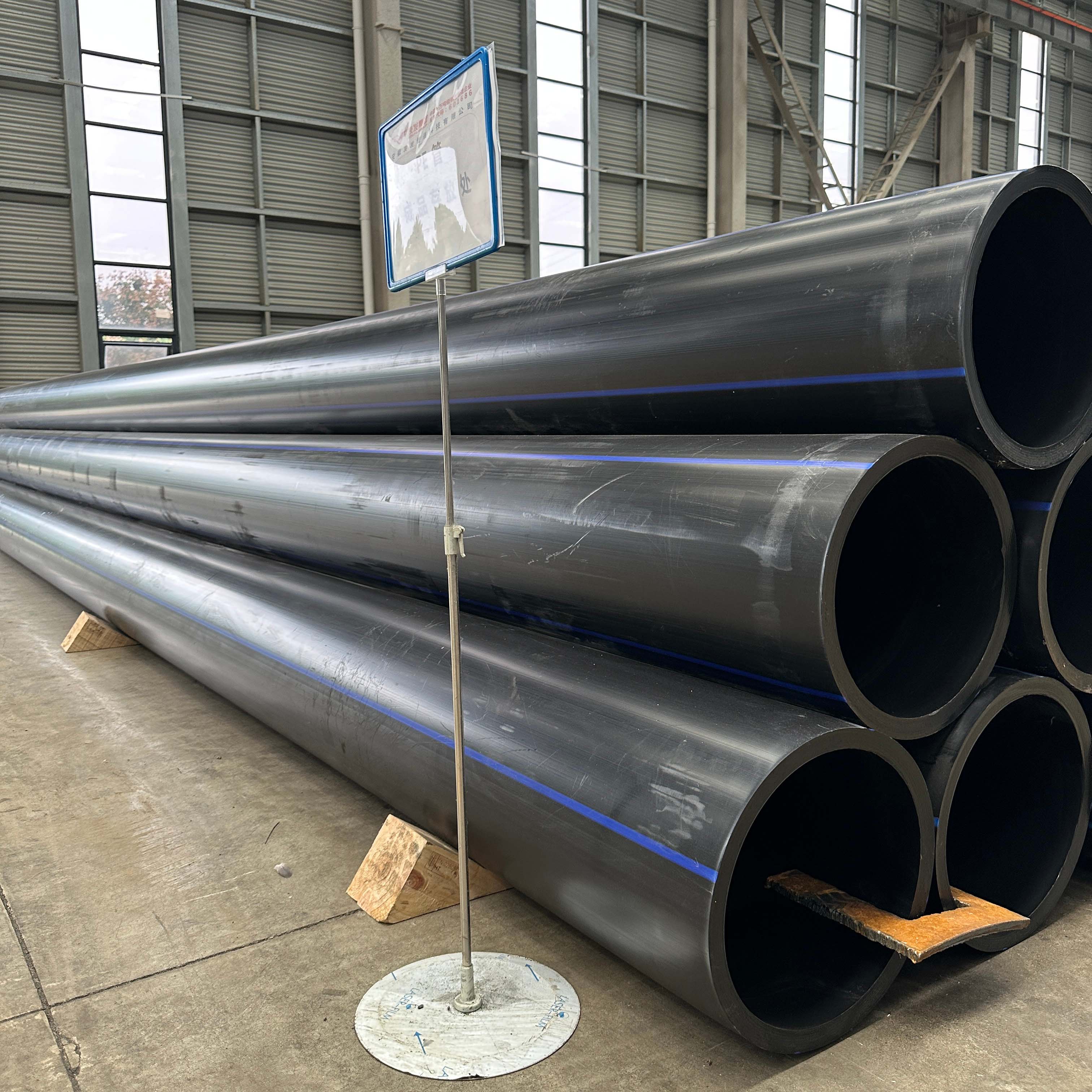
Blue: Water supply, drainage, or firefighting pipes
Orange/Yellow: Gas pipes
Red: Mining pipes
No color: Siphon drainage pipes