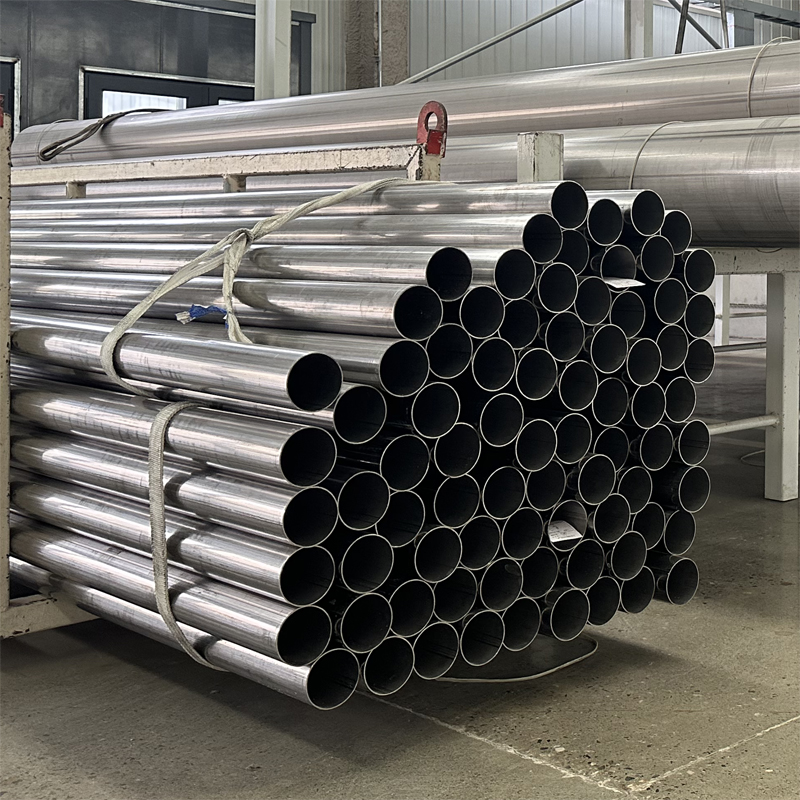
JIS G3448 EN10312 304 316 Grade Thin-walled Water Delivery Stainless Steel Pipe


JIS G3448 EN10312 304 316 Grade Thin-walled Water Delivery Stainless Steel Pipe
Thin-walled Stainless Steel Pipe
304 316 thin wall water delivery stainless steel tube are lightweight yet strong pipes designed for transporting water in various applications. Made from stainless steel, they offer excellent corrosion resistance and longevity. Their thin walls reduce material usage and weight, making installation easier. These pipes are commonly used in residential plumbing, irrigation systems, and industrial settings where durability and efficiency are essential.
Quantity

What Is Thin-walled Stainless Steel Pipe?
Thin wall stainless steel tube is a type of pipe usually used to transport drinking water. It is characterized by its thin wall construction, which makes it lighter and often more flexible compared to pipes with thicker walls. This design helps in reducing the overall weight and installation costs.
Stainless steel is a popular material for these pipes due to its durability, corrosion resistance, and hygienic properties. It ensures that the water remains clean and uncontaminated, maintaining high-quality standards for drinking water. The material also has a long lifespan and can withstand high pressures and temperatures, making it suitable for various applications.
In summary, thin-walled stainless steel drinking water pipes offer a combination of strength, lightness, and resistance to corrosion, making them a reliable choice for modern plumbing systems.
Thin wall 316 304 Stainless Steel Pipe Description
| Commodity | Thin-walled 304 Stainless Steel Pipe / 316 stainless steel tube |
| Brand | Youfa Thin Wall Stainless Steel Pipe Manufacturer |
| Diameter | DN15 TO DN300 (16mm - 325mm) |
| Thickness | 0.6mm TO 3.0mm |
| Length | 5.8meter/ 6.0meter/ 6.1meter or custimized |
| Material | Stainless Steel 304/ Stainless Steel 316 |
| Fluid Conveying Usage Standards | JIS G3448,EN10312,CJ/T151,GB/T |
| Packing | Bundled wooden box or bag(According to customer's requirement) |
| Payment Terms | T/T,L/C |
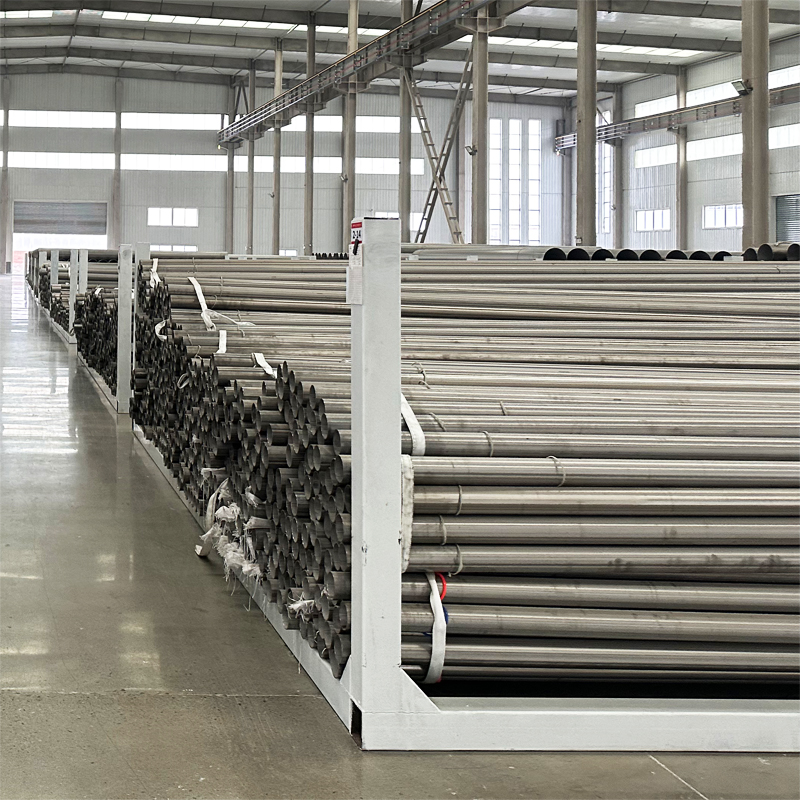
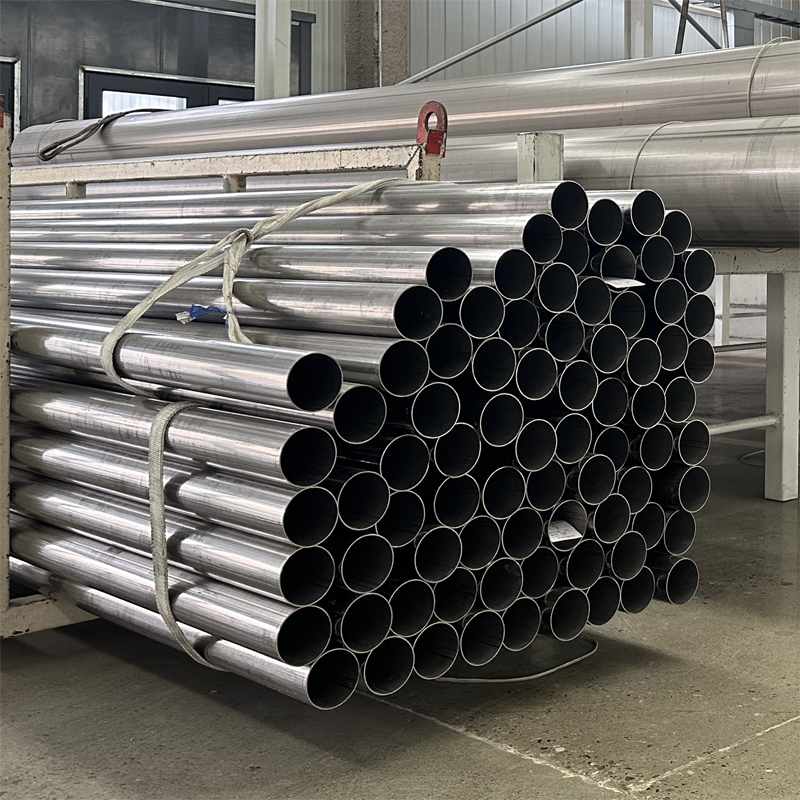
Thin wall 316 304 Stainless Steel Pipe Product Show


Thin wall 316 304 Stainless Steel Pipe Specification
| JIS G3448 | EN10312 | CJ/T 151 | GB/T 19228 | |||||||||
| OD (mm) | T (mm) | OD (mm) | T (mm) | OD (mm) | T (mm) | OD | OD Tolerence | T(mm) | T Tolerence | |||
| I | II | S1 | S2 | |||||||||
| 9.53 | 0.7 | 10.0 | 0.6 | 10.0 | 0.6 | 0.8 | 12.7 | - | +/-0.10 | 0.8 | 0.6 | +/-10% |
| 12.7 | 0.8 | 12.0 | 12.0 | 16 | 15.9 | +/-0.10 | 1.0 | 0.8 | ||||
| 15.88 | 15.0 | 16.0 | 18 | |||||||||
| 22.22 | 1.0 | 22.0 | 0.7 | 20.0 | 1.0 | 20 | 22.2 | +/-0.11 | 1.2 | 1.0 | ||
| 28.58 | 28.0 | 0.8 | 22.0 | 22 | ||||||||
| 34.00 | 1.2 | 35.0 | 1.0 | 25.4 | 0.8 | 25.4 | 28.6 | +/-0.14 | 1.2 | 1.0 | ||
| 42.70 | 42.0 | 1.1 | 28.0 | 28 | ||||||||
| 48.60 | 76.1 | 1.5 | 35.0 | 1.0 | 1.2 | 32 | 34 | +/-0.17 | 1.5 | 1.2 | ||
| 60.50 | 1.5 | 103.0 | 38.0 | 35 | ||||||||
| 76.30 | 108.0 | 42.0 | 40 | 42.7 | +/-0.21 | 1.5 | 1.2 | |||||
| 89.10 | 2.0 | 128.0 | 50.8 | 42 | ||||||||
| 114.30 | 133.0 | 76.1 | 50.8 | 48.6 | +/-0.26 | 1.5 | 1.2 | |||||
| 139.80 | 159.0 | 2.0 | 88.9 | 1.5 | 2.0 | 54 | ||||||
| 165.20 | 3.0 | 219.0 | 3.0 | 102.0 | 60.3 | - | +/-0.32 | 1.5 | 1.5 | |||
| 216.30 | 267.0 | 108.0 | 63.5 | |||||||||
| 267.40 | 133.0 | 2.0 | 76.1 | - | +/-0.38 | 2.0 | 1.5 | |||||
| 318.50 | 159.0 | 3.0 | 88.9 | +/-0.44 | 2.0 | |||||||
| 219.1 | 3.0 | 101.6 | +/-0.54 | 2.0 | - | |||||||
| 273.1 | 108 | - | ||||||||||
| 323.9 | Attention:"I"series preferred | |||||||||||
Thin wall 316 304 Stainless Steel Pipe Process Diagram
Steel Coil → Re inspection → Cutting → Molding → Automatic Welding → Inside weld bead reamove → Outside seam grinding → Online solution annealing → Online bright annealing → Online eddy current inspection → Sizing → Cut to length → End plain → Hydraulic or airtightness test → Polishing or Degreasing pickling → Inspection for finish product → Marking

Thin wall 316 304 Stainless Steel Pipe FAQ
1.Q: What are the common applications of thin-walled stainless steel pipe?
A: Thin-walled stainless steel pipes are widely used in industries such as water supply, gas distribution, plumbing, heating, food processing, and chemical processing. They are also popular in architectural and construction applications due to their sleek appearance and durability.
2.Q: What are the advantages of using thin-walled stainless steel pipe?
A: Corrosion Resistance: Stainless steel is highly resistant to corrosion, making it ideal for environments exposed to moisture and chemicals.
Durability: Despite their thin walls, these pipes are strong and can withstand high pressure and temperature.
Lightweight: The reduced wall thickness makes these pipes lighter, which is beneficial for transportation and installation.
Cost-Effective: Less material usage leads to lower costs, making thin-walled pipes a more economical choice without sacrificing performance.
3.Q: What are the common grades of stainless steel used for thin-walled pipe?
A: Common grades include 304, 304L, 316, and 316L.
304/304L: Known for good corrosion resistance and weldability, used in general-purpose applications.
316/316L: Offers enhanced corrosion resistance, particularly against chlorides and other industrial solvents, making it suitable for harsher environments.
4.Q: How are thin-walled stainless steel pipe manufactured?
A: These pipes are typically produced using the cold-rolling or cold-drawing process. The stainless steel is shaped into a pipe and then welded or seamless pipes are made. The pipes undergo additional processing to achieve the thin wall thickness required.
5.Q: Are thin-walled stainless steel pipe suitable for high-pressure applications?
A:Yes, thin-walled stainless steel pipes can be used in high-pressure applications, depending on the specific grade and design. However, the wall thickness and diameter must be carefully chosen to ensure the pipe can withstand the intended pressure.
6.Q: How do you join thin-walled stainless steel pipe?
A: Common joining methods include welding, using compression fittings, or mechanical joints such as grooved or press-fit connections. Welding is the most common method due to its durability and strength, but it requires skilled labor.
7.Q: What is the difference between seamless and welded thin-walled stainless steel pipe?
A: Seamless Pipes: Made by extruding stainless steel to the desired thickness, seamless pipes are free from any welded seams, offering uniform strength and a smooth finish. They are typically more expensive.
Welded Pipes: Made by rolling and welding a flat sheet into a cylindrical shape, welded pipes have a seam where the edges are joined. They are generally less expensive and have similar performance to seamless pipes in most applications.