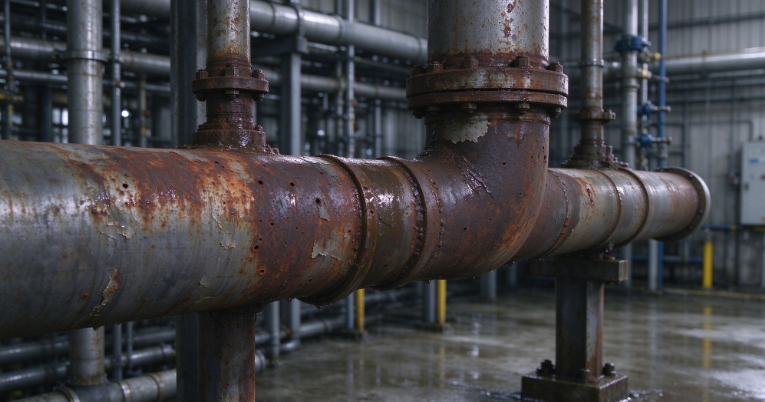
Differences Between ASTM A53 and ASTM A106 Steel Pipe Standards
Differences Between ASTM A53 and ASTM A106 Steel Pipe Standards
Steel pipes are essential components in numerous industries, from construction to oil and gas. ASTM A53 and ASTM A106 are two widely recognized standards that govern the production and quality of steel pipes. While they share similarities, significant differences exist in terms of grade, manufacturing process, chemical composition, testing, and application. This article will provide a comprehensive comparison of ASTM A53 vs ASTM A106, helping buyers make informed decisions.
1. What is ASTM A53 and ASTM A106?
-
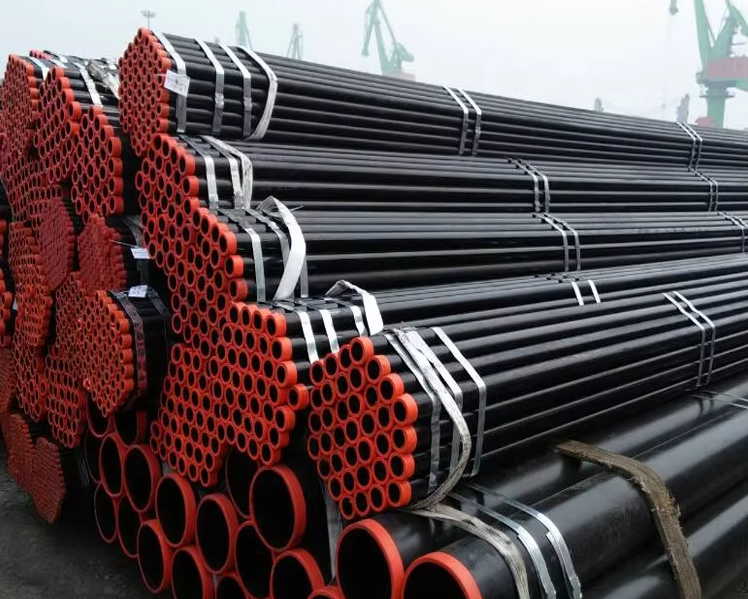
ASTM A53: ASTM A53 is a standard specification for carbon steel pipes designed for general-purpose applications. It includes both welded and seamless steel pipes suitable for mechanical, pressure, and structural purposes.
-
ASTM A106: ASTM A106 covers seamless carbon steel pipes intended for high-temperature and high-pressure applications, such as process piping in the oil, gas, and power generation industries.

In short, ASTM A53 focuses on general use, while ASTM A106 is specifically designed for high-performance conditions involving temperature and pressure.
2. ASTM A53 vs ASTM A106: Grade
| Standard | Grades | Key Differences |
|---|---|---|
| ASTM A53 | Type F (furnace-welded), Type E (ERW), and Type S (seamless). Grades A and B are common. | Suitable for low to moderate pressure and general applications. |
| ASTM A106 | Grades A, B, and C (seamless only). Grade B is the most widely used. | Designed for high-temperature, high-pressure service. |
ASTM A53 provides multiple manufacturing types, whereas ASTM A106 is seamless-only to meet stringent performance requirements.
3. ASTM A53 Steel Pipe vs ASTM A106 Steel Pipe: Manufacturing Process
-
ASTM A53: Steel pipes under ASTM A53 can be produced through seamless, furnace-welded (Type F), or electric resistance welding (ERW) (Type E). Welded pipes are cost-effective and sufficient for low-pressure applications.
-
ASTM A106: ASTM A106 pipes are manufactured only as seamless pipes. The seamless production process ensures consistent wall thickness and superior mechanical properties, making them ideal for high-stress environments.

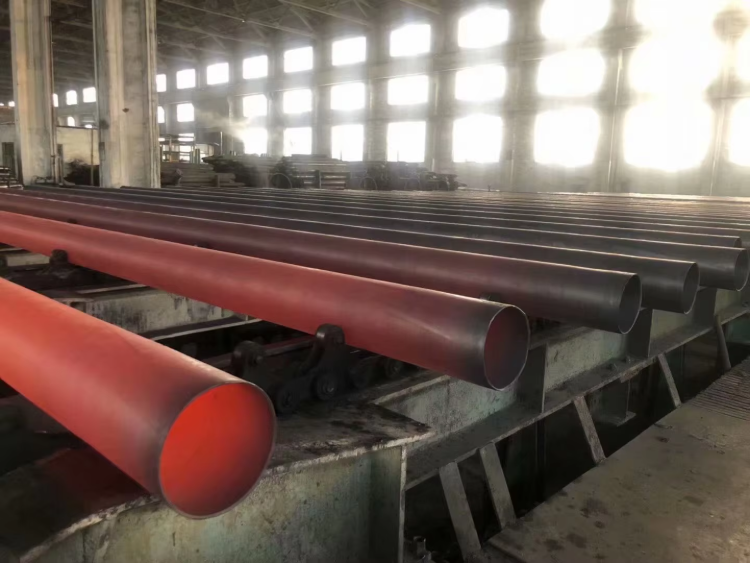
Summary: If your project involves extreme pressure or temperature, ASTM A106 seamless pipes are the preferred choice.
4. ASTM A53 Steel Pipe vs ASTM A106 Steel Pipe: Chemical Composition
ASTM A106 has stricter requirements for chemical composition compared to ASTM A53. The table below highlights the key differences:
| Element | ASTM A53 Grade B | ASTM A106 Grade B |
|---|---|---|
| Carbon (C) | 0.30% max | 0.30% max |
| Manganese (Mn) | 1.2% max | 0.29-1.06% |
| Phosphorus (P) | 0.05% max | 0.035% max |
| Sulfur (S) | 0.045% max | 0.035% max |
-
ASTM A53 Steel Pipe: Suitable for standard applications with fewer performance constraints.

-
ASTM A106 Steel Pipe: Lower limits for impurities like phosphorus and sulfur ensure better performance under extreme conditions.

5. ASTM A53 Steel Pipe vs ASTM A106 Steel Pipe: Quality Control and Testing
| Quality Control Measure | ASTM A106 | ASTM A53 |
|---|---|---|
| Chemical Composition | A thorough chemical analysis is performed to confirm the precise elemental makeup. | A comprehensive chemical analysis ensures the correct elemental composition. |
| Mechanical Testing | Includes tests for tensile strength and yield strength to evaluate mechanical properties. | Involves tensile strength and yield strength tests to assess the material's mechanical performance. |
| Non-Destructive Testing (NDT) | Utilizes advanced non-destructive testing techniques like ultrasonic testing (UT) and radiographic testing (RT). | Employs non-destructive methods such as ultrasonic testing (UT) and radiographic testing (RT) to detect flaws. |
| Visual Inspection | Inspects for visible defects on the surface, weld quality, and ensures dimensions are within specified limits. | Inspects for surface irregularities, weld defects, and checks dimensional accuracy. |