Storage & Transportation of Galvanized Pipes: Anti-Rust Tips
2026-06-05
Storage & Transportation of Galvanized Pipes: Anti-Rust Tips
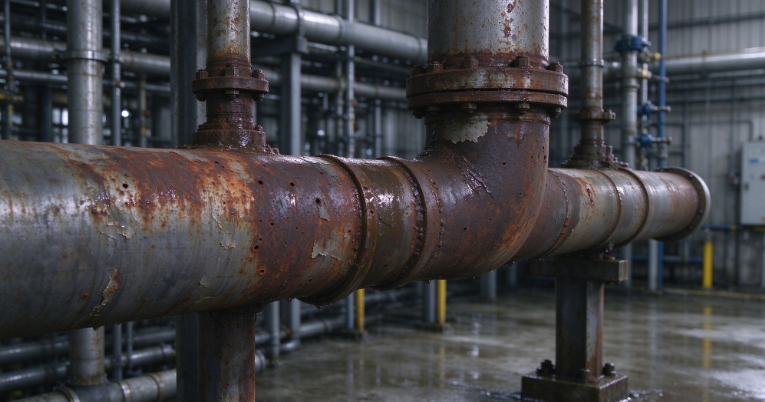
Galvanized steel pipes are widely used in plumbing and construction relying on zinc anti-corrosion coating. Improper storage and transit easily damage zinc layers and cause rust. Therefore, standardized storage of galvanized steel pipes and careful transportation of galvanized pipes are essential, and mastering skills of storage of galvanized pipes to prevent rust can effectively avoid product wastage.
What Details Need Attention for Galvanized Pipe Storage?
1. The storage site should be dry, well-ventilated, and flat, avoiding dampness and water accumulation, and away from corrosive environments (such as chemical plants and beaches), which is the core requirement of proper storage of galvanized steel pipes and effective storage of galvanized pipes to prevent rust;
2. Galvanized pipes should be stacked separately according to specifications and length. The stacking height should not be too high (not exceeding 3 meters). For small diameter (such as DN20 and below) or thin-walled pipes, the stacking height is recommended to be controlled within 1.5 meters to prevent deformation of the bottom pipes under pressure;
3. When storing, wooden blocks should be laid at the bottom of the pipes to isolate them from the ground and prevent ground moisture corrosion;
4. Regularly inspect the stored galvanized pipes. If scratches or surface rust are found on the zinc layer, apply zinc layer repair agent in time to prevent the spread of rust, a key measure for storage of galvanized pipes to prevent rust;
5. When stacking, it is recommended to use a "well" shaped cross stacking, with layers placed vertically alternately to improve stability and prevent the upper layer of pipes from all pressing on the same stress line;
6. Galvanized pipes should be stored indoors. If outdoor storage is unavoidable, they must be completely covered with waterproof tarpaulins, leaving gaps between the tarpaulin and the pipes for ventilation. Drainage ditches should be dug around the perimeter to prevent water accumulation;
7. During long-term storage, dust accumulation on the pipe surface will absorb moisture from the air. It is recommended to clean the surface dust every 3 to 6 months with a broom or compressed air to prevent localized electrochemical corrosion;
8. Warehouse management should prioritize stacking pipes according to their arrival date, following the "first-in, first-out" principle. Batches with longer storage times should be prioritized for shipment to prevent some pipes from exceeding their optimal service life due to prolonged stockpiling;
9. If storage in highly corrosive environments (such as near chemical plants or in open-air environments near the sea) for more than 3 months, it is recommended to pre-coat the galvanized pipe surface with a layer of transparent varnish or anti-rust wax to form an additional protective film. This can be easily removed with a solvent before use, optimizing overall storage of galvanized steel pipes;
10. How should we arrange pipe preservation amid rainy days? Humid rainy weather easily triggers white rust on galvanized tubing due to trapped moisture, which requires regulated environment management for storage of galvanized steel pipes and targeted storage of galvanized pipes to prevent rust. For detailed operation standards, check our dedicated article: How to Store Galvanized Products Properly in Rainy Weather?
How to Avoid Zinc Coating Damage in Pipe Shipment?
1. During transportation, galvanized pipes need tidy stacking and firm fixation with binding ropes and separation baffles, effectively preventing violent collision and surface friction that scrape off the zinc coating, which is the fundamental requirement for standardized transportation of galvanized pipes. Reasonable fixation can greatly lower defective rates linked to improper hauling and complement scientific storage of galvanized steel pipes after goods arrive at the warehouse.
2. It is forbidden to load galvanized pipes together with sharp metal parts or corrosive chemical supplies; sharp edges will leave deep scratches on galvanized surfaces while corrosive substances erode zinc layers, destroying the anti-rust foundation laid by early storage of galvanized pipes to prevent rust.
3. For open-air vehicle delivery, full coverage with high-quality rainproof tarpaulin is essential to isolate rainwater and morning dew. Excessive dampness on pipe surfaces will induce white rust, increasing subsequent workload for storage of galvanized pipes to prevent rust after warehousing.
4. Transport drivers should maintain stable driving speed and avoid sudden braking or sharp turns to reduce vehicle bumping, stopping pipe extrusion deformation and zinc coating shedding, one of the key management details of complete transportation of galvanized pipes.
5. All loading and unloading operations demand gentle handling, randomly tossing pipes is strictly banned to avoid pipe mouth deformation and zinc peeling from hard ground impact. If using cranes for bundled pipe hoisting, wrap slings contact areas with rubber pads or sackcloth. This protective step effectively guards zinc finish and is a necessary supplement linking transportation of galvanized pipes and later storage of galvanized steel pipes.
6. When arranging long-distance or rugged highway shipment, insert straw mats, rubber sheets or wooden battens between every pipe layer. These cushion materials ease inter-tube friction abrasion, keep galvanized surface intact and simplify follow-up storage of galvanized pipes to prevent rust upon arrival.
7. For galvanized pipes with processed end threads, install plastic protective caps or metal thread protectors before shipment. The accessories shield threads from collision damage and sundry blockage inside pipes, ensuring finished product quality throughout the whole flow of transportation of galvanized pipes and subsequent warehousing.