What You Need To Know About ASTM A106B Pipe
2026-08-05
What You Need To Know About ASTM A106B Pipe
What Is ASTM A106B Pipe?
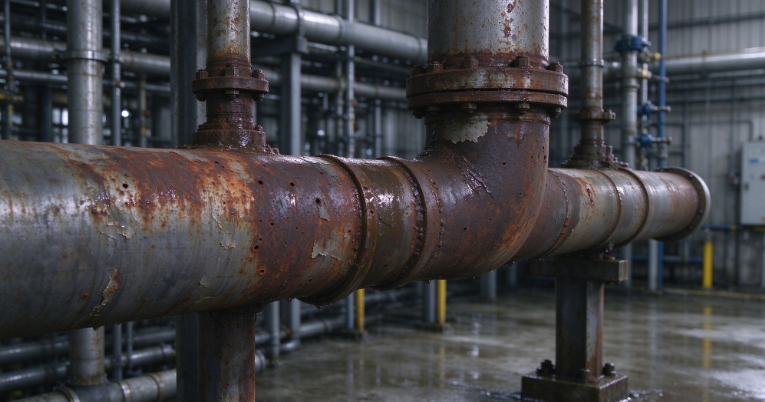
The ASTM A106B pipe, a type of carbon steel pipe also known as CS pipe, serves for conveying hot gases and liquids, helping systems keep energy consumption at a low level.
It is a seamless steel pipe complying with ASTM A106 standard issued by ASTM. Grade B is one of the most widely‑adopted seamless pipe grades under this specification.

What Requirements Does ASTM A106 Standard Cover?
This standard sets detailed rules covering chemical composition, mechanical properties, manufacturing procedures and other technical indicators for steel pipes.
Compared with Grade A, this CS pipe features higher carbon content, better strength and hardness. Thanks to reliable mechanical performance, this grade of carbon steel pipe gains broad adoption across multiple industrial fields.
What Are The Specifications of ASTM A106B Carbon Steel Pipe?

What Is the Material Composition Feature of ASTM A106B pipe?
As one of the most sought‑after grades of carbon steel pipe, also widely shortened as CS pipe, ASTM A106B pipe features manganese content ranging from 0.29‑1.06% in its chemical makeup. Manganese works as both strengthening and deoxidizing element inside the carbon‑steel matrix. It effectively lifts the mechanical strength of the ASTM A106B pipe and improves its overall toughness. When running under continuous high‑temperature service conditions, manganese significantly enhances the anti‑deformation performance of this CS pipe. This property keeps the carbon steel pipe from permanent distortion under thermal stress, which is critical for high‑temperature industrial piping projects.
What Core Performance Advantages Does ASTM A106B pipe Deliver?
Superior Comprehensive Mechanical Properties.
This carbon steel pipe obtains minimum yield strength ≥240MPa, tensile strength ≥415MPa and elongation ≥22%. These key mechanical parameters define the reliable operation of ASTM A106B pipe in process piping systems. Satisfactory yield strength lets the CS pipe endure system internal pressure without permanent plastic deformation. Stable tensile strength prevents unexpected fracture when the pipe bears pulling force. Elongation stands for good plasticity of the ASTM A106B pipe. Such plasticity brings two practical merits: it facilitates various secondary fabrication works; additionally, the carbon steel pipe relieves thermal expansion‑contraction stress via mild self‑deformation amid temperature swings, cutting down pipeline failure risks.
Reliable High‑Low Temperature Adaptability.
Per ASME B31.3 chemical and refinery piping standard, the permitted working temperature range for ASTM A106B pipe is ‑28.9℃ to 565℃. This CS pipe maintains sound toughness and will not turn brittle even in cold surroundings. For oil‑gas facilities built in frigid zones, the carbon steel pipe avoids low‑temperature brittle rupture and ensures stable energy supply. Meanwhile, ASTM A106B pipe maintains stable performance under long‑term high‑heat load, perfectly matching hot gas and hot liquid transfer requirements.
Excellent Weldability and Fabrication Performance.
With well‑balanced carbon content, the ASTM A106B pipe hardly generates hardened brittle structures after welding. Weld joints of this CS pipe keep good plasticity and toughness. In most field construction cases, special pre‑heating or post‑treatment steps are not required to get qualified weld seams. This simplifies on‑site installation for the carbon steel pipe and lifts overall construction efficiency. For fabrication, ASTM A106B pipe supports common operations: cutting, bending and coiling. Plasma cutting and flame cutting are feasible cutting solutions. By adjusting processing parameters properly, workers can bend the CS pipe into required arcs to fit diverse engineering layout needs.
Where Is ASTM A106B pipe Commonly Applied?
Oil and Natural Gas Industry
The ASTM A106B pipe is heavily used across oil‑gas extraction, transmission and storage workflows. As connection piping for wellhead assemblies, this carbon steel pipe withstands high wellhead pressure. For long‑distance transmission networks, the CS pipe transports crude oil and natural gas, supporting safe and consistent energy delivery.
Chemical Processing Industry
ASTM A106B pipe conveys various chemical raw materials, intermediate and finished products within chemical plants. Apart from process medium pipelines, this carbon steel pipe is widely deployed for plant steam pipelines and cooling water circulation systems.
Thermal Power Generation Plants
Plenty of ASTM A106B pipe are applied for power‑plant steam pipelines and feed‑water lines. On steam pipelines, this CS pipe resists high‑temperature high‑pressure steam and transports steam from boilers to steam turbines and other generation equipment.
Building Utility Systems
This carbon steel pipe, namely ASTM A106B pipe, is also adopted in building water‑drainage networks and heating piping systems. It can serve as main pipes or branch pipes to fulfill building water supply and drainage requirements.