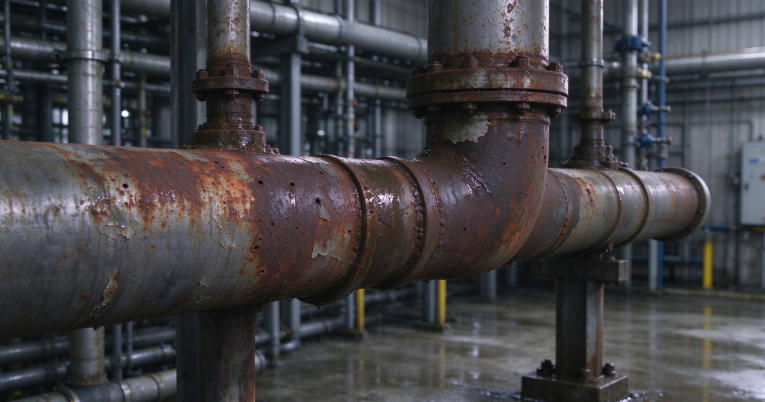



What Should You Know About Galvanized Square and Rectangular Tube?
2026-10-22
What Should You Know About Galvanized Square and Rectangular Tube?
Galvanized square tube and galvanized rectangular tube are steel hollow sections with a zinc-based protective coating. They combine the structural properties of steel with improved resistance to corrosion. Commonly used in construction, fabrication, and industrial projects, galvanized square steel tube and rectangular profiles are available in different dimensions, wall thicknesses, and coating specifications.
What Are the Production Processes for Galvanized Square and Rectangular Tube?
The production and coating methods affect the appearance, corrosion resistance, and intended use of galvanized square and rectangular tube. Common approaches include hot-dip galvanizing and cold-applied zinc protection. The exact process should be confirmed when comparing suppliers.
Hot-Dip Galvanized Square and Rectangular Tube
Hot-dip galvanized square tube is commonly produced by forming and welding steel strip into a hollow section, followed by hot-dip galvanizing. The prepared steel is immersed in molten zinc, forming a protective coating on its surface.
This process is widely used for galvanized square steel tube and galvanized rectangular steel tube intended for construction and outdoor applications. Coating thickness depends on the steel, surface preparation, and galvanizing process. Buyers should specify the required coating and applicable standard rather than assume a fixed thickness.
ASTM A123/A123M and EN ISO 1461 may apply to relevant hot-dip galvanized products, depending on the product type and project requirements.
Cold-Galvanized Square and Rectangular Tube
The term cold-galvanized square tube may refer to steel protected with a zinc-rich coating applied without immersion in molten zinc. Such coatings can help protect the steel, but their performance depends on zinc content, film thickness, surface preparation, and application quality.
For galvanized rectangular tube used outdoors or in humid environments, buyers should confirm whether the specified finish is a zinc-rich coating, electrogalvanizing, or another treatment. These processes are not interchangeable, and their corrosion resistance may differ.
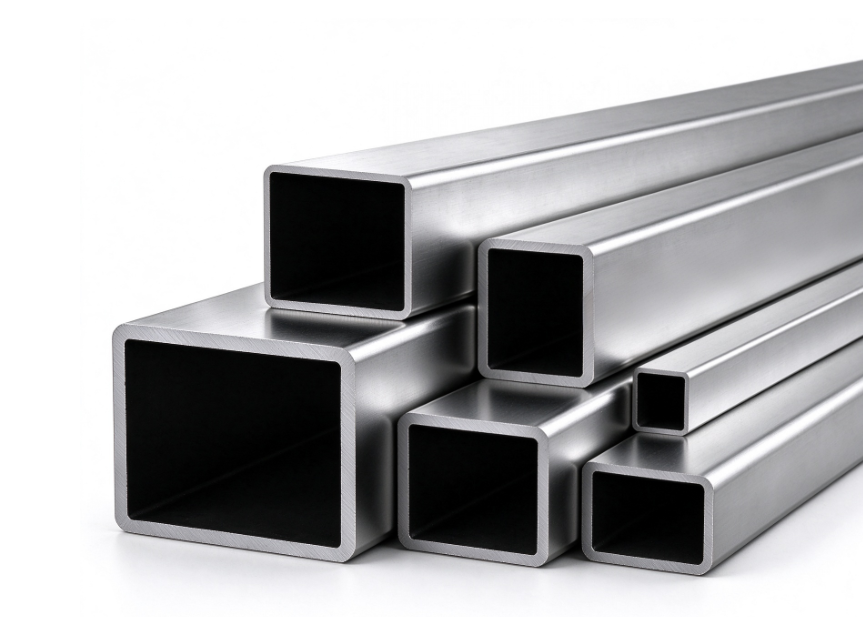
What Are the Differences Between Hot-Dip and Cold Galvanizing?
The main differences between hot-dip galvanizing and cold-applied zinc coatings involve the application process, coating characteristics, and expected service conditions.
Hot-dip galvanizing forms a zinc coating through immersion in molten zinc. It is often selected for steel products requiring durable corrosion protection, including many outdoor structures. The final coating thickness and appearance depend on the product and process.
Cold-applied zinc coatings are generally applied to prepared steel surfaces. They can provide a convenient protective finish, but performance varies with formulation, application, and maintenance. Electrogalvanizing is a separate electrochemical process that deposits zinc and often produces a smooth, relatively thin coating.
When sourcing galvanized square tube or galvanized rectangular tube, specify the actual coating process instead of relying on the general term “cold galvanized.” Consider moisture, industrial exposure, coastal conditions, and any additional painting or powder-coating requirements.