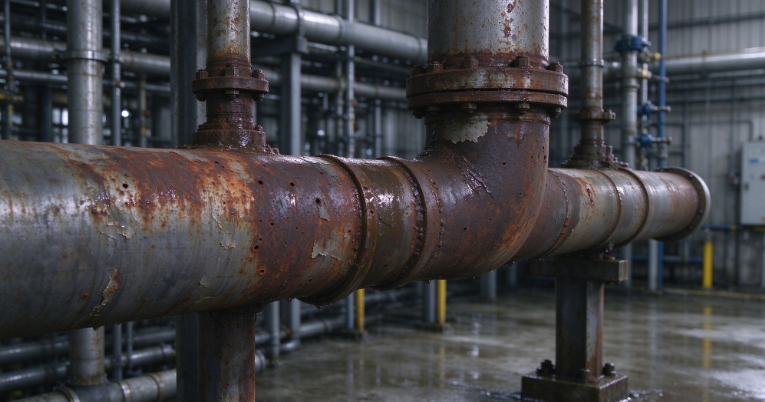
What Are the Grades of Steel Pipe
2025-06-24
What Are the Grades of Steel Pipe
What are the grades of steel pipe and how are they classified
Steel pipes are classified using various grading systems developed by organizations such as ASTM, ASME, AISI, SAE, API, and PNS. These standards reflect differences in steel manufacturing methods and intended uses, helping to specify which steel pipe grades suit particular applications.
The diversity of grading systems can make it confusing when selecting steel pipes. You might encounter multiple steel grades labeled on pipes, and without understanding what are the grades of steel pipe, it's easy to choose the wrong material for your needs.
To help clarify, here is a brief overview of the common steel pipe grades and guidance on how to select the appropriate grade for your project.
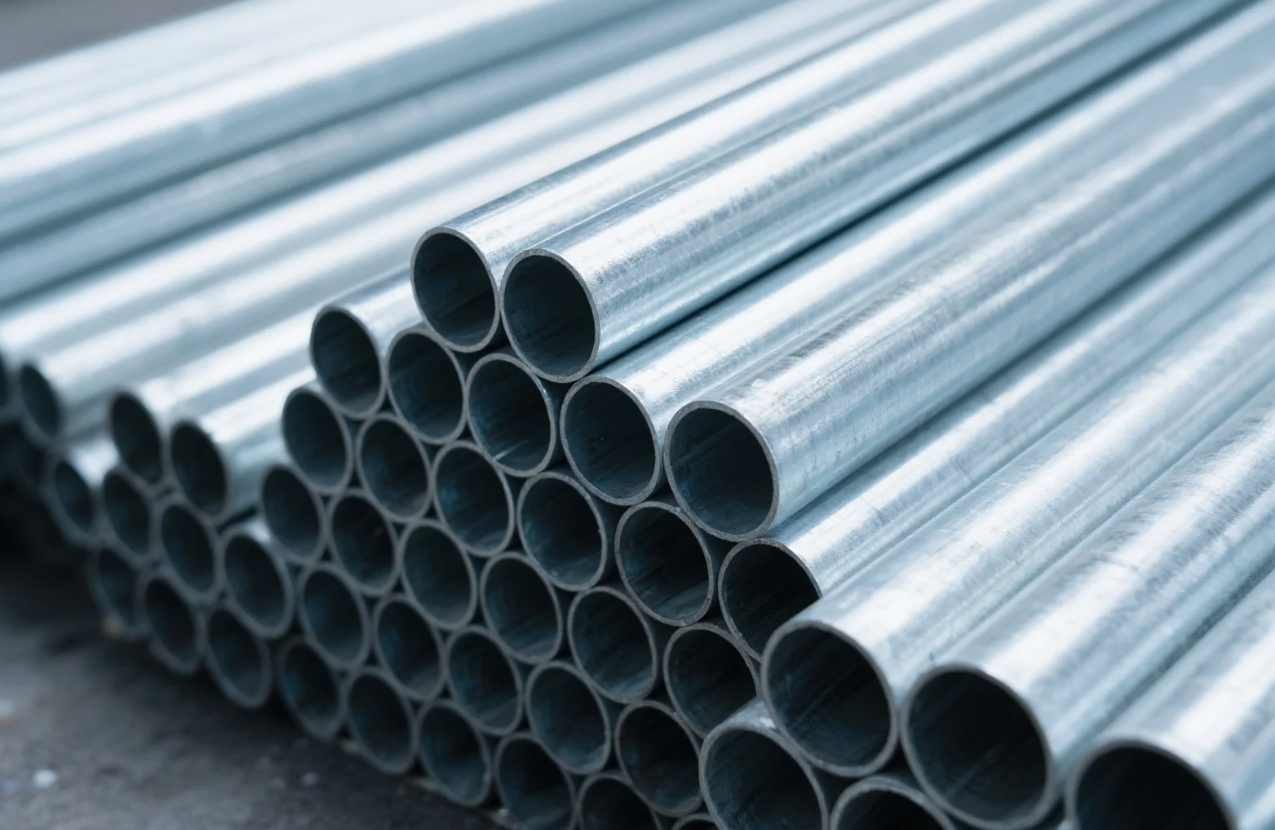
Why understanding what are the grades of steel pipe matters
Placing an order for steel pipes without knowing what are the grades of steel pipe involved can lead to costly mistakes. Choosing the wrong grade may result in overspending, project delays, or even improper installation that compromises safety and performance.
Whenever you're unsure, consult your engineer or supplier about the relevant industry standards and steel grades applicable to your project. It's important to clarify key details during piping procurement, such as:
What pipe lengths and surface finishes are suitable for the intended use?
Which chemical and mechanical properties must the pipe meet for your application?
Are there any regional or manufacturing regulations that might impact your pipe selection?
By asking these questions, you ensure that your choice aligns with the correct steel pipe grades and project requirements.
ASTM and ASME Grades in Steel Pipes Explained
When exploring what are the grades of steel pipe, one of the most widely recognized grading systems comes from the American Society for Testing and Materials (ASTM) and the American Society of Mechanical Engineers (ASME). These two organizations provide similar specifications and grading for steel pipes used globally.
For instance, a pipe marked as ASTM A-106 Grade B, which refers to a seamless carbon steel pipe designed for high-temperature service, corresponds to ASME SA-106 Grade B under ASME standards.
Both ASTM and ASME classify steel pipes using grades A, B, and C, which reflect the steel's chemical composition and mechanical characteristics. The main difference is that ASME applies stricter quality testing for pipes used in pressure systems, resulting in more specific grading requirements.
Pipe dimensions under these standards follow charts such as ANSI/ASME B36.10 and API 5L, detailing the nominal pipe size (NPS) — representing the pipe's outside diameter in inches — and wall thickness, which is either given as actual thickness or as a schedule number.
In many markets, including the Philippines, ASTM and ASME grades are the most common steel pipe designations. For example, Supreme Pipe offers ASTM A-53 pipes, also recognized as ASME SA-53 pipes. This grade is suitable for mechanical uses and for transporting steam, water, gas, and air. It also indicates that the pipe's material is weldable and formable.
AISI and SAE Steel Grades for Pipes
When discussing what are the grades of steel pipe, it's important to understand that the American Iron and Steel Institute (AISI) and the Society of Automotive Engineers (SAE) use a numbering system primarily to classify the chemical composition of steels. Unlike other standards, AISI/SAE designations do not cover manufacturing processes, heat treatment, or testing requirements.
Take, for example, 1020 steel. The first digit '1' indicates it is a plain carbon steel, the second digit '0' shows there are no added alloys, and the last two digits '20' represent approximately 0.20% carbon content.
Another common steel in piping is 4130. Here, '41' signifies the presence of chromium and molybdenum alloys, while '30' means the steel contains about 0.30% carbon.
It's crucial to remember that AISI/SAE numbers only identify the steel's chemical makeup. If a buyer requests "100 feet of 4130," this information alone is insufficient. Additional details like production methods and testing standards, typically specified by ASTM or ASME, are necessary to ensure the steel pipe meets the exact requirements for the intended application.