Types of Steel Pipes and Their Applications Explained
2025-08-08
Types of Steel Pipes and Their Applications Explained
Exploring the Different Types of Steel Pipes and Their Applications
Steel pipes play a vital role in countless industries thanks to their durability, versatility, and ability to meet varying structural and fluid transportation needs. From construction to energy, different types of steel pipes serve unique functions based on their materials, manufacturing methods, and performance characteristics. Let’s take a closer look at some of the most common steel pipe types and their applications, helping you choose the right one for your specific project or industry.
What Makes Seamless Steel Pipes Ideal for High-Stress Applications?
Seamless steel pipes are manufactured without welds or joints, which gives them exceptional mechanical strength and resistance to pressure. The uniformity in their structure allows them to handle extreme temperatures and internal stress, making them an excellent choice for industries such as oil and gas, where reliability and safety are non-negotiable.
Common uses of seamless pipes include oil drilling, casing and tubing, and power plant piping, where uninterrupted flow and high-pressure resistance are essential. Their precise dimensions—achieved through advanced techniques like rotary piercing—make them suitable for mission-critical systems that demand superior performance.

Why Are Welded Steel Pipes a Cost-Effective Solution?
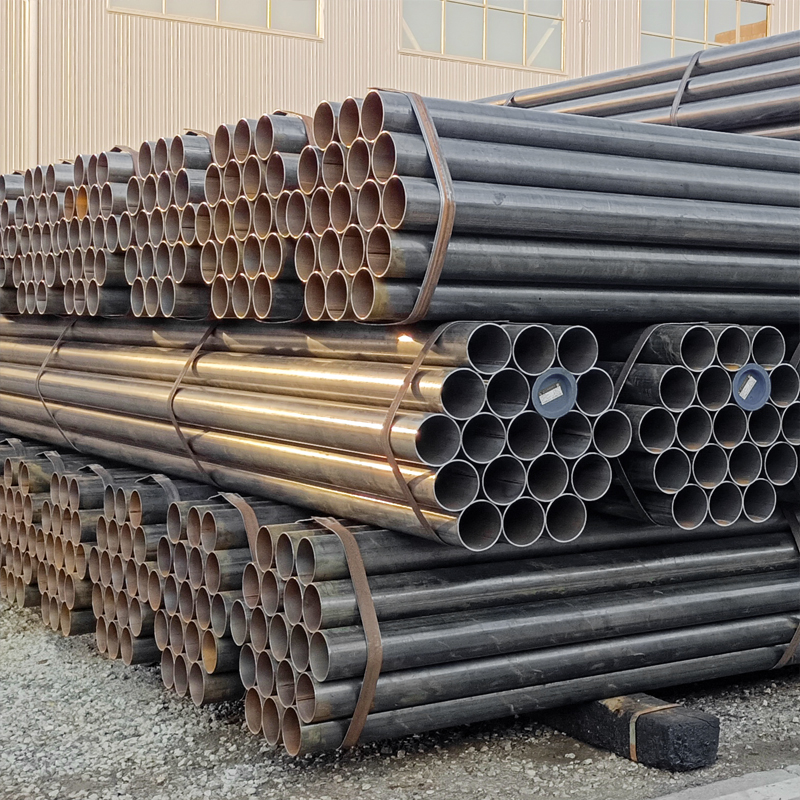
Welded steel pipes are produced by rolling steel sheets and welding them along the seam. While they may not match the strength of seamless pipes in high-pressure environments, they offer great flexibility in size and thickness. This makes them a practical and economical option for industries like construction, water supply, and infrastructure development.
Thanks to advances in welding technologies, the quality and strength of welds have significantly improved. As a result, welded steel pipes are now widely used in structural frameworks, HVAC systems, and plumbing, especially in projects where the pressure levels are moderate and cost-efficiency is critical.
When Should You Use Galvanized Steel Pipes?
If corrosion resistance is a top priority, galvanized steel pipes are a strong contender. These pipes are coated with a layer of zinc, which protects the steel from rust and environmental damage. This makes them ideal for outdoor installations and wet environments, such as residential water distribution systems, agricultural irrigation, and fencing structures.
Galvanized pipes are also commonly used in structural supports exposed to the elements, offering a longer lifespan at a lower cost compared to stainless steel. The zinc coating ensures that the pipe maintains its integrity, even under constant exposure to moisture, making it especially suitable for coastal and humid regions.

What Are Black Steel Pipes Used For?
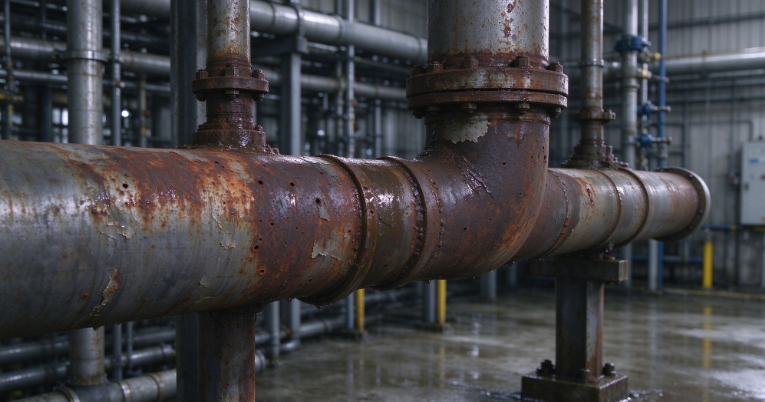
Black steel pipes are untreated pipes with a dark oxide scale on the surface. Although they are not galvanized or coated, their robustness makes them ideal for gas distribution systems, heating networks, and fire sprinkler lines. Their affordability and strength allow them to be used in medium- to high-pressure systems, especially where corrosion from water is not a primary concern.
However, because black steel is susceptible to rust over time, it is not recommended for transporting drinking water. Instead, it shines in industrial applications, such as steam and air lines, where cost-effective durability is more important than corrosion resistance.
Why Choose Stainless Steel Pipes for Function and Aesthetics?
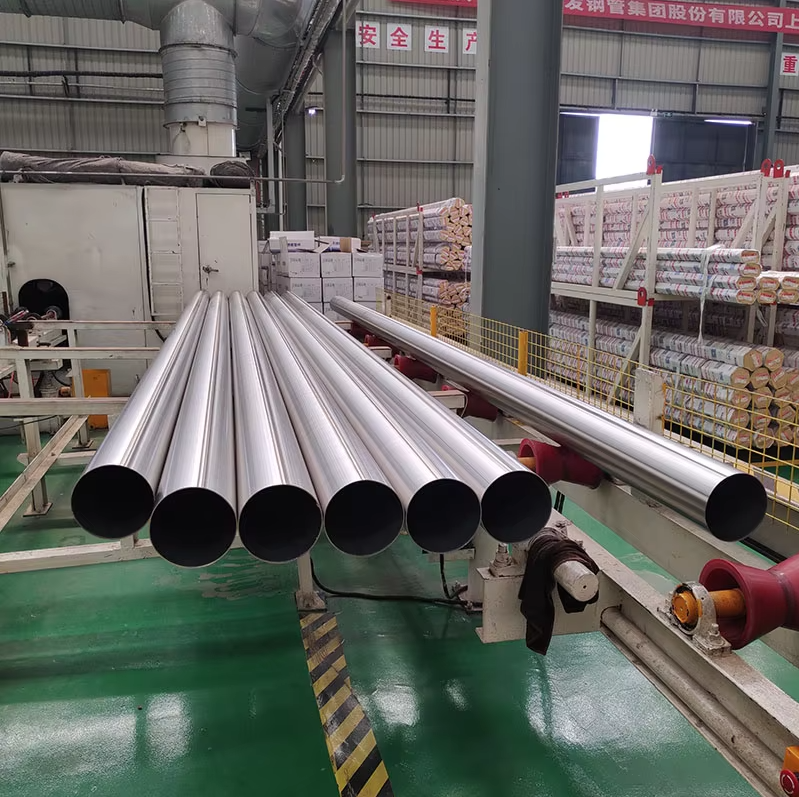
Stainless steel pipes are known for their sleek appearance and exceptional corrosion resistance. Their polished finish makes them a favorite in kitchen and bathroom plumbing, commercial facilities, and architectural design where aesthetics and hygiene are important. Stainless steel is naturally resistant to rust and scaling, which contributes to its long-term reliability and low maintenance.
In addition to their visual appeal, stainless steel pipes are commonly used in food processing, pharmaceuticals, and chemical transport, where cleanliness and resistance to contaminants are essential. Their ability to withstand both high and low temperatures without degradation makes them a premium solution for many demanding applications.
How Are Carbon Steel Pipes Applied in Various Industries?
Made by combining carbon with iron, carbon steel pipes offer a strong yet cost-effective solution for both industrial and residential applications. Their popularity stems from the balance between strength, versatility, and affordability, making them suitable for general construction, oil and gas pipelines, and mechanical systems.
Because of their hardness and machinability, carbon steel pipes are frequently used in structural frameworks, automotive components, and industrial machinery. Their durability also allows them to perform well in systems that handle steam, air, or high-pressure water.
What Makes Duplex Stainless Steel Suitable for Harsh Environments?
Duplex stainless steel pipes combine the benefits of austenitic and ferritic stainless steels, resulting in a material with high strength and excellent corrosion resistance. These pipes are particularly effective in marine environments, such as offshore platforms and shipbuilding, where saltwater exposure is a constant challenge.
With double the strength of standard stainless steel and superior resistance to pitting and stress corrosion, duplex pipes are also used in chemical processing plants and desalination facilities, where performance under aggressive conditions is a must.