Methods of Prevention of Pipe Corrosion Inside Pipelines
2025-12-04
Methods of Prevention of Pipe Corrosion Inside Pipelines
Internal pipe corrosion is a major concern for industries worldwide, posing significant challenges to the efficiency and safety of pipeline systems. Pipelines are essential for transporting natural resources such as oil, gas, chemicals, and petroleum from extraction sites to processing facilities. Over time, these systems are prone to rust and internal corrosion, which can lead to costly repairs and operational disruptions.
Knowing how to prevent pipe corrosion is crucial for maintaining pipeline performance. Youfa provides tailored solutions for the type and severity of corrosion affecting any pipeline. By conducting thorough internal inspections, Youfa can identify potential issues early and recommend the most effective methods of prevention of pipe corrosion, ensuring long-term durability and reliability.
What is Internal Pipeline Corrosion?
Internal pipeline corrosion occurs when the materials inside a pipe gradually deteriorate due to chemical or electrochemical reactions with the transported substances. It is not only a challenge for maintenance teams but can also compromise the safety and efficiency of the entire pipeline system. Understanding how to prevent pipe corrosion begins with recognizing the factors that accelerate internal damage. Corrosive substances such as bromine, hydrogen peroxide, hydrochloric acid, sulfuric acid, and nitric acid can lead to rapid deterioration if not properly managed.
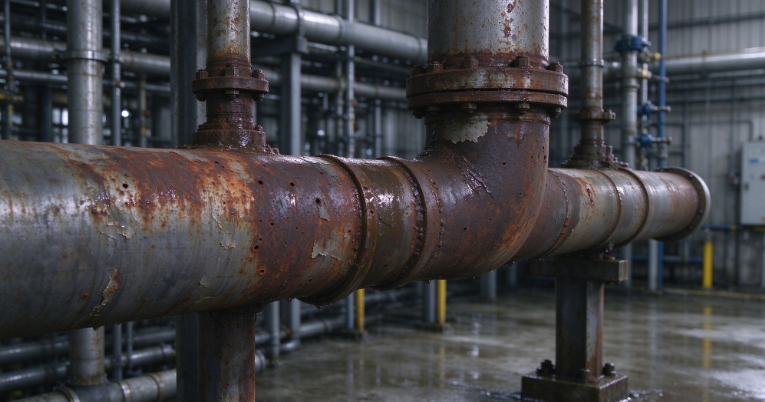
Corrosion can affect both metals and non-metals, with the rate of deterioration depending on the material’s resistance to corrosive agents. Early signs of internal corrosion include reddish-brown rust, pitting, and surface deformation. Timely intervention through pipe corrosion prevention measures is crucial to avoid leaks, contamination, and structural failure.
Certain sections of carbon steel pipelines are particularly prone to internal corrosion, making proactive measures essential. Applying the right pipe corrosion prevention techniques—such as internal coatings, corrosion inhibitors, or regular inspections—can significantly reduce deterioration. Implementing effective methods of prevention of pipe corrosion ensures the long-term durability and reliability of carbon steel pipelines, helping industries maintain safe and efficient operations.
How to Prevent Pipe Corrosion?
Corrosion is a self-accelerating process—once it starts, it continues to worsen over time. If internal corrosion in carbon steel pipelines is not addressed promptly, it may lead to leaks, contamination, production downtime, or even major environmental incidents. Fortunately, industries can rely on several effective methods of prevention of pipe corrosion to slow down deterioration and extend pipeline service life. Below are the most widely used and reliable approaches for pipe corrosion prevention.
1. Internal Pipe Coating
Internal coatings remain one of the most effective solutions in how to prevent pipe corrosion. These protective films act as a barrier between the transported medium and the carbon steel surface. Common coating types include fusion-bonded epoxy (FBE), epoxy phenolic coatings, polyurethane coatings, and other polymer-based linings designed to withstand high temperatures or aggressive chemicals.
High-temperature industrial processes often expose pipelines to corrosive gases and moisture. Once applied, internal coatings create a uniform film that adheres tightly to the steel surface, reducing friction losses, minimizing wear caused by pigging operations, and preventing the buildup of corrosive deposits such as pyrophoric dust.
Although a small amount of moisture may occasionally pass through the coating, it typically contains minimal ion concentration, which prevents further corrosion. When regularly inspected and maintained, internal coatings provide long-term protection for carbon steel pipelines.
2. Chemical Treatment Technologies
Chemical treatments are widely used during pipeline preparation and before coating application. They help remove rust, oxides, and deposits inside the pipe to create a cleaner surface for better corrosion control. These solutions are highly relevant for carbon steel pipelines that require thorough internal cleaning.
Surface Corrosive Agent Treatment
Acidic or alkaline agents can dissolve oxides and impurities on the inner wall of carbon steel pipes. This step prepares the surface for subsequent protective treatments. However, it may slightly reduce surface roughness or influence mechanical performance if not properly controlled.
Pickling Treatment
Pickling uses strong acids to remove rust and contaminants while improving the anti-corrosion conditions of the pipe’s interior. Although effective, improper pickling may affect the long-term corrosion resistance of the steel, so it must be followed by appropriate neutralization and coating processes.
These chemical treatments are often integrated into broader pipe corrosion prevention programs to ensure the inner wall is clean, reactive, and ready for long-term protection.
3. Mechanical Treatment Technologies
Mechanical methods help restore or enhance the corrosion resistance of the inner wall through physical processes.
High-Temperature Welding Treatment
During high-temperature welding, a layer of oxide scale naturally forms on the internal surface of carbon steel. This oxide layer reduces further oxidation and offers a certain degree of passive protection, extending the lifespan of the pipe.
Inner Wall Grinding Treatment
Grinding the pipe's inner surface improves smoothness and reduces roughness, limiting areas where corrosion could initiate or where deposits could accumulate. Although effective, this method requires strict operational control since excessive grinding may influence the pipe's fatigue performance.
Mechanical methods are often combined with coatings or chemical treatments to provide a more comprehensive approach to how to prevent pipe corrosion.
4. Hot-Dip Galvanization
Hot-dip galvanization involves coating carbon steel with molten zinc at around 840°F. This zinc layer provides both barrier protection and sacrificial protection. When exposed to corrosive environments, the zinc coating corrodes first, safeguarding the underlying steel.
Galvanization is abrasion-resistant and can fill minor surface irregularities. However, it must be performed at specialized dipping facilities, and zinc coatings may degrade faster under highly acidic or alkaline conditions. While useful, it is not always suitable for every internal pipeline application and is more commonly used for external surfaces or certain pipeline segments.
5. Keep Pipelines Clean
Microbiologically induced corrosion (MIC) occurs when microorganisms—such as bacteria or fungi—interact with metals and accelerate corrosion. Even though these organisms do not directly corrode steel, they produce acidic byproducts and create conditions favorable for corrosion.
Routine cleaning, flushing, and pigging operations are essential methods of prevention of pipe corrosion. During pipeline pigging, a pig tool is launched into the pipeline to clean deposits without interrupting product flow.
Inhibitors and biocides can also be introduced to limit microbial growth. These chemical additives help extend the lifespan of carbon steel pipelines by preventing the formation of corrosion-accelerating environments.
6. Cathodic Protection
Cathodic protection reduces the rate of internal corrosion by supplying electrons to the steel surface, converting active corrosion sites into passive ones. The technique is generally applied to metal structures in contact with conductive fluids.
In this process, sacrificial anodes made of materials such as magnesium, aluminum, or zinc provide the electrons needed to counteract corrosion reactions. When properly designed and monitored, cathodic protection significantly enhances the long-term reliability of carbon steel pipelines.
7. Anodic Protection
Anodic protection is an electrochemical method used to reduce internal corrosion in carbon steel pipelines that handle highly corrosive media. By controlling the pipe surface at a specific potential, a stable passive film forms, greatly lowering the corrosion rate. This technique is especially useful in acidic environments and can be combined with other pipe corrosion prevention strategies for more reliable protection.