Life Expectancy of Galvanized Pipe: How Long Do Galvanized Pipes Last?
2026-03-13
Life Expectancy of Galvanized Pipe: How Long Do Galvanized Pipes Last?
Galvanized steel pipes have been widely used in construction, plumbing systems, and industrial projects for decades. Thanks to their protective zinc coating, these pipes offer excellent resistance to corrosion and are known for their durability in a wide range of environments. Because of these advantages, galvanized pipes have long been considered a reliable choice for water supply lines, outdoor structures, and many other infrastructure applications.
However, one question is frequently raised by engineers, contractors, and property owners: what is the life expectancy of galvanized pipe? Understanding how long these pipes can last is essential for planning maintenance, budgeting for replacements, and ensuring the long-term safety of a piping system.
In fact, the life expectancy of galvanized pipe can vary depending on several factors such as environmental conditions, water quality, and the thickness of the zinc coating. In many cases, the typical galvanized pipe life expectancy can reach several decades when the pipes are properly installed and maintained.
In the following sections, we will take a closer look at how long galvanized pipes usually last, what factors influence their durability, and how to extend their service life in different applications.
What Is the Life Expectancy of Galvanized Pipe?
One of the most common questions in plumbing and construction projects is what is the life expectancy of galvanized pipe. In general, galvanized steel pipes are known for their durability and corrosion resistance, which allows them to remain in service for many years under the right conditions.
Typically, the life expectancy of galvanized pipe ranges from 40 to 70 years. In residential plumbing systems with relatively stable water quality and limited exposure to harsh environmental conditions, galvanized pipes can often last several decades before significant corrosion begins to appear. This long service life is largely due to the zinc coating that protects the underlying steel from rust and external damage.
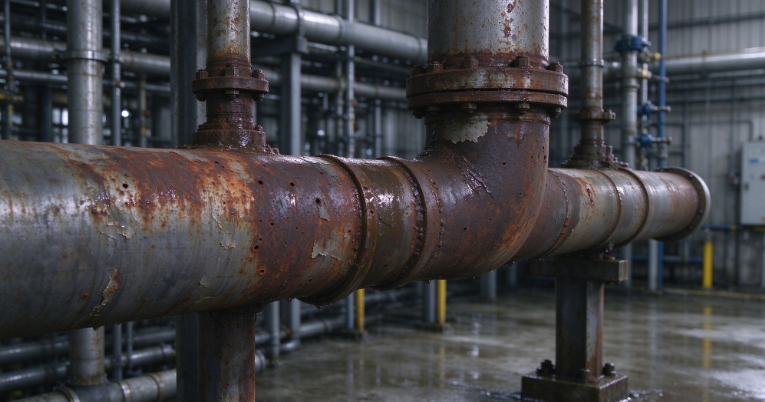
However, the actual galvanized pipe life expectancy can vary depending on where and how the pipes are used. For example, pipes installed in dry indoor environments may last longer than those exposed to moisture, chemicals, or extreme weather conditions. Similarly, water quality plays an important role. Water with high acidity or mineral content may gradually wear away the protective zinc layer, reducing the overall lifespan of the pipe.
In addition, the thickness of the galvanizing layer and the manufacturing quality of the pipe can also influence its durability. High-quality galvanized pipes with a uniform zinc coating are generally more resistant to corrosion and therefore tend to have a longer service life.
Because of these factors, understanding the life expectancy of galvanized pipe is not only about knowing a general number of years, but also about evaluating the specific environment and application in which the pipes are used.