Is Steel Round Tube and Pipe are Same
2025-03-19
Is Steel Round Tube and Pipe are Same
1. What Are Steel Pipes?
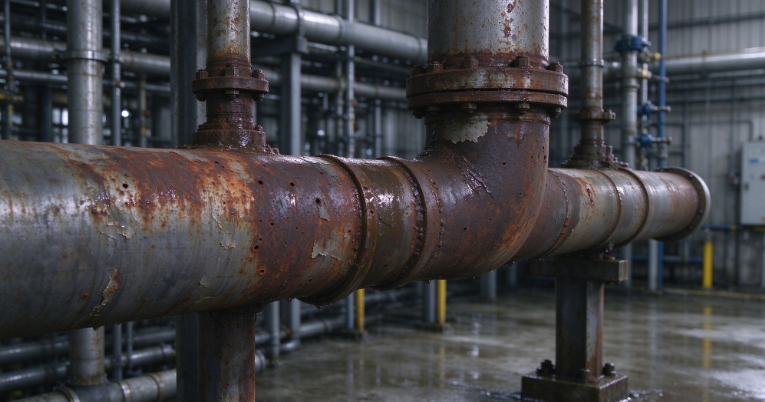
Steel pipes have been a cornerstone of industrial development since their production began in the US in the early 1800s. These hollow, round cross-sectioned structures are primarily designed for transporting a wide range of materials, including fluids, gases, pellets, and powders. However, the versatility of carbon steel pipe extends far beyond simple transportation.
Common Uses of Steel Pipes
Urban Infrastructure: Steel pipes are widely used underground to distribute water and natural gas across cities and towns.
Construction: They serve as protective conduits for electrical wiring in buildings and infrastructure projects.
Transportation: Lightweight yet durable, steel pipes are ideal for manufacturing bicycle frames and automotive parts.
Utilities: They are essential components in heating, plumbing, and refrigeration systems.
Everyday Applications: From flagpoles to street lamps, steel pipes are integral to many everyday structures.
Key Dimensions of Steel Pipes
The two most critical measurements for any carbon steel pipe are its outer diameter (OD) and wall thickness (WT). The inside diameter (ID), which determines the pipe’s liquid capacity, is calculated by subtracting twice the WT from the OD. In the industry, pipes are often specified by their ID and schedule, such as "2-inch Schedule 40" or "14-inch Extra Heavy." Common schedules include:
Schedule 40 (Sch. 40)
Schedule 80 (Sch. 80)
Standard (STD)
Extra Strong/Extra Heavy (XS/XH)
Double Extra Strong (XXS)
Most steel pipes are sold in standard lengths of 21 or 42 feet, making them easy to transport and install for various applications.

2. What Are Steel Tubes?
The term "tube" refers to hollow sections that come in various shapes, including round, square, rectangular, and oval. These versatile components are widely used in pressure equipment, mechanical systems, and instrumentation applications. Unlike carbon steel pipe, which is primarily designed for fluid transport, steel tubes are engineered for a broader range of structural and functional uses.
Manufacturing Process of Steel Tubes
Steel tubing can be crafted from a variety of raw materials, such as iron, carbon, manganese, vanadium, and zirconium. Similar to pipes, tubes are produced in two main forms: seamless and welded.
Seamless Tubing: This type is created by heating a solid block of steel, rolling it into a cylindrical shape, and then piercing and stretching it to the desired length. Imagine shaping a piece of playdough into a cylinder, pushing your finger through the center, and elongating it—this is a simplified analogy of the seamless tube production process, though it involves high temperatures and advanced machinery.
Welded Tubing: Made from coiled steel, this process involves slitting the coil, rolling it into a round shape, and welding the edges together. The resulting tube can be cut to specific lengths or further shaped into square, rectangular, or oval profiles.
Key Dimensions of Steel Tubes
Steel tubes are typically specified by their outer diameter (OD) and wall thickness (WT), measured in inches or millimeters. In the industry, buyers often request tubes by stating the OD and WT, such as "1-inch OD with a 1/4-inch WT." Common wall thicknesses include:
11 gauge
1/4 inch
3/8 inch
5/8 inch
Tubing is commonly sold in lengths of 20, 24, 40, and 48 feet, but custom lengths can also be produced to meet specific project requirements.

3. Is Steel Round Tube and Pipe the Same? Understanding the Steel Tube and Pipe's Differences
Many people wonder, "Is steel round tube and pipe are same?" While they may look similar and are both available in seamless or welded forms, the steel tube and pipe difference is significant. A carbon steel pipe is always round and is primarily designed for transporting fluids and gases, making it a staple in industries like oil, gas, and plumbing. On the other hand, a steel tube can be round, square, rectangular, or even oval, offering greater versatility in design and application.
Key Differences Between Steel Tube and Pipe
Shape and Design:
Pipes are exclusively round, optimized for efficient fluid and gas flow.
Tubes come in various shapes, including round, square, and rectangular, catering to structural and mechanical needs.

Applications:
Pipes are mainly used for fluid transportation in industries like oil, gas, and water supply.
Tubes are utilized in a wider range of fields, including aerospace, construction, automotive, and even medical equipment.
Material and Manufacturing:
Carbon steel pipe is often chosen for its durability and cost-effectiveness in high-pressure environments.
Steel tubes, while also made from carbon steel, are engineered for precision and strength in structural applications.
By understanding the steel tube and pipe difference, you can make informed decisions for your specific needs. Whether you’re looking for a reliable carbon steel pipe for fluid transport or a versatile steel tube for industrial or architectural projects, knowing their unique characteristics is key.
Key Differences Between Steel Tube and Pipe
| Aspect | Steel Pipe | Steel Tube |
|---|---|---|
| Shape | Exclusively round | Can be round, square, rectangular, or oval |
| Primary Use | Designed for transporting fluids and gases (e.g., oil, gas, water supply) | Used for structural, mechanical, and industrial applications (e.g., construction, aerospace) |
| Applications | Oil and gas industry, plumbing, water supply systems | Architecture, automotive, medical equipment, military, and more |
| Material | Often made from carbon steel pipe for durability and cost-effectiveness | Typically crafted from carbon steel or alloy steel for precision and strength |
| Manufacturing | Available in seamless or welded forms | Also available in seamless or welded forms, but with tighter tolerances |
| Functionality | Optimized for high-pressure fluid flow | Designed for structural support and versatility in design |
4. Conclusion: Understanding the Difference Between Steel Tubes and Pipes
In summary, while steel round tube and pipe may seem similar at first glance, their differences in shape, functionality, and applications are significant. Carbon steel pipes are primarily designed for transporting fluids and gases, making them essential in industries like oil, gas, and plumbing. On the other hand, steel tubes offer greater versatility, with their ability to be shaped into round, square, rectangular, or oval profiles, catering to a wide range of structural, mechanical, and industrial needs.
Whether you’re looking for durable carbon steel pipes for fluid transportation or high-precision steel tubes for construction, automotive, or aerospace projects, understanding the steel tube and pipe difference is crucial to selecting the right product for your requirements.
Let Us Help You Find the Perfect Solution
At Youfa, we specialize in providing high-quality carbon steel pipes and steel tubes tailored to your specific needs. Our team is ready to assist you in choosing the right materials, dimensions, and specifications for your project.
Contact us today for a free consultation or to request a quote! Simply send us your requirements, and we’ll ensure you get the best products at competitive prices.