How to Test Quality of Steel Pipe Before Installation
2025-08-29
How to Test Quality of Steel Pipe Before Installation
Steel pipes are widely used in construction, oil and gas, water supply, and many industrial applications. Because they often serve as critical structural or pressure-bearing components, ensuring steel pipe quality before installation is essential. Using high quality steel pipes not only improves performance but also prevents costly failures and safety risks. Here are the main methods on how to test quality of steel pipe before installation.
What Is Visual and Dimensional Inspection?
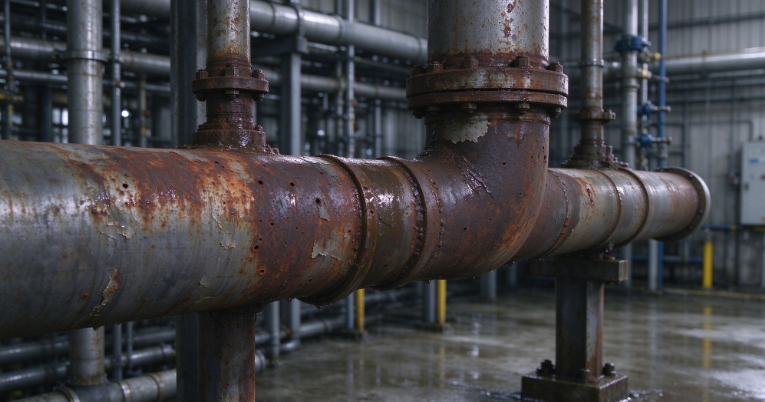
The first step is to conduct a thorough visual check. Inspect the pipe surface for cracks, dents, rust spots, or any irregularities. High quality galvanized steel pipe should have a uniform coating without flaking or discoloration.
Dimensional inspection is equally important. Measure the outer diameter, inner diameter, and wall thickness with proper tools. Compare the results with the standard specifications to confirm that the pipe meets the required tolerances. Visual and dimensional inspection is one of the simplest ways to evaluate steel pipe quality.
How Can Material Verification and Certification Ensure Quality?
The composition of the pipe must match the intended application. This can be confirmed by checking the grade markings, reviewing manufacturer documents, or conducting positive material identification (PMI). Certifications such as ASTM, API, or ISO indicate compliance with industry standards, ensuring that the pipe is reliable and safe to use. Choosing certified and high quality steel pipes helps guarantee long-term durability.
What Non-Destructive Testing Methods Are Available?
Several non-destructive tests (NDT) are commonly used to assess the integrity of steel pipes without causing damage:
Ultrasonic Testing (UT): Determines wall thickness and detects corrosion or internal flaws.
Radiographic Testing (RT): Uses X-rays or gamma rays to identify hidden cracks and voids.
Magnetic Particle Inspection (MPI): Helps locate surface and near-surface discontinuities.
Eddy Current Testing (ECT): Effective for detecting small cracks and variations in material properties.
These methods are particularly useful when evaluating high quality galvanized steel pipe or other high quality steel pipes intended for demanding environments like oil, gas, and structural projects.
How Is Hydrostatic and Pressure Testing Performed?
Hydrostatic testing is one of the most widely used methods to confirm pipe strength and leak resistance. The pipe is filled with water (or another suitable fluid) and pressurized above its operating level. If the pipe withstands the pressure without leakage, it demonstrates that the material and welds meet the expected steel pipe quality standards.
What Advanced Mechanical and Impact Tests Can Be Conducted?
In some cases, additional tests are conducted to evaluate performance under extreme conditions:
Charpy Impact Test: Measures toughness, ductility, and resistance to brittle fracture.
Hardness and Tensile Tests: Assess mechanical strength and load-bearing capacity.
These advanced methods provide a deeper understanding of the pipe's ability to perform in high-stress or low-temperature environments, ensuring that only high quality steel pipes are used.
Why Is It Important to Know How to Test Quality of Steel Pipe Before Installation?
Understanding how to test quality of steel pipe before installation is crucial for safe and efficient project execution. From simple visual inspections to advanced non-destructive testing, each step ensures that the materials meet required standards. Always choose high quality galvanized steel pipe or other high quality steel pipes from trusted suppliers, and verify their compliance with international certifications. Proper testing and careful selection will protect your investment and guarantee project success.
FAQ
Q1: How can I quickly check steel pipe quality before installation?
A1: You can start with a visual inspection, checking for dents, cracks, rust, and coating uniformity. Measuring dimensions and wall thickness also helps ensure steel pipe quality.
Q2: What is the difference between high quality steel pipes and standard steel pipes?
A2: High quality steel pipes or high quality galvanized steel pipe meet stricter industry standards, have consistent material composition, and pass multiple mechanical and non-destructive tests for durability and safety.
Q3: Which tests are most important for checking steel pipe quality?
A3: Common methods include hydrostatic pressure testing, ultrasonic testing (UT), magnetic particle inspection (MPI), and Charpy impact tests. These are essential steps to ensure how to test quality of steel pipe before installation effectively.
Q4: Do I need certification for steel pipes?
A4: Yes. Always verify that your steel pipes have ASTM, API, or ISO certifications to confirm compliance with quality and safety standards. Certified high quality steel pipes are more reliable for long-term projects.