How to Repair Galvanized Steel Pipe
2025-03-20
How to Repair Galvanized Steel Pipe
Galvanized steel pipes have been widely used in plumbing and water supply systems for their excellent resistance to rust and corrosion. Despite their durability, these pipes are not immune to corrosion over time, which can result in leaks, compromised water quality, and even structural issues. This guide will explore the root causes of corrosion in galvanized pipes, identify common signs of damage, and provide a step-by-step approach to repairing corroded pipes while offering tips to prevent future deterioration.
1. What is Corrosion of Galvanized Steel Pipes?
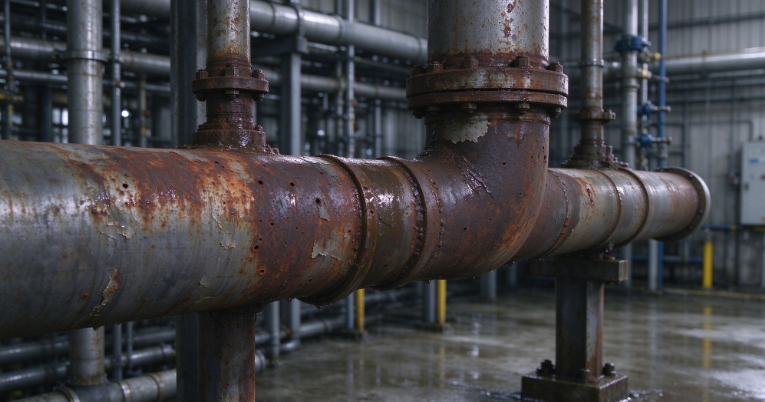
Corrosion in galvanized steel pipes refers to the gradual degradation that occurs when the protective zinc coating on the pipes breaks down, exposing the underlying steel to environmental elements. This process is a common issue in how to repair galvanized steel pipe scenarios, as it directly impacts the pipe's durability and functionality. Galvanized steel pipes are widely used in both industrial and residential settings to transport water and other fluids, making galvanized steel pipe corrosion a significant concern for maintaining system integrity.
The galvanization process involves applying a zinc layer to steel pipes to shield them from rust and corrosion. However, over time, this protective coating can wear away due to factors like water chemistry, physical damage, or prolonged exposure to harsh conditions. When the zinc layer is compromised, the steel beneath becomes vulnerable, leading to the onset of galvanized steel pipe corrosion. Understanding this process is essential for effectively addressing how to repair galvanized steel pipe and preventing further damage.
2. How to Spot Corrosion in Galvanized Steel Pipes
Understanding how to repair galvanized steel pipe starts with recognizing the signs of galvanized steel pipe corrosion. While these pipes are designed to resist rust thanks to their zinc coating, wear and tear over time can lead to visible and functional problems. Here's how to identify corrosion before it becomes a major issue:
Color Changes
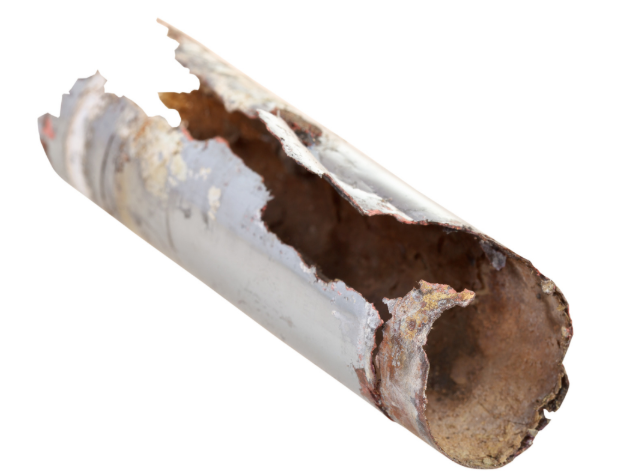
One of the earliest signs of trouble is a change in the pipe's appearance. You might notice patches that look dull, white, or chalky, indicating the zinc layer is wearing unevenly.
Rust Spots
If the protective zinc coating fails, the steel underneath can rust. Keep an eye out for reddish-brown spots, a surefire sign of galvanized steel pipe corrosion.
Flaking or Peeling Coating
As the zinc layer breaks down, it may start to flake or peel off, leaving the steel exposed and vulnerable to further damage.
Uneven Surface
Run your hand along the pipe. If certain areas feel rough or bumpy, it's likely due to corrosion eating away at the zinc and steel.
Weak Water Flow
Corrosion inside the pipe can narrow the passage for water, leading to a noticeable drop in water pressure. If your faucets aren’t performing as they used to, this could be the culprit.
Leaks
Corrosion weakens the pipe's structure, making leaks more likely. Look for water stains, damp spots, or small puddles near the pipes.
Odd-Tasting or Smelly Water
If your water starts to taste metallic or has a strange odor, it could be a sign that corrosion is affecting the water quality.
Damage at Connections
Joints and fittings are especially prone to corrosion because the zinc coating is often damaged during installation. Check these areas for rust or other signs of wear.
Internal Buildup
Over time, corrosion can cause scale to form inside the pipes, restricting water flow and worsening the problem.
Strange Noises
If you hear rattling or banging sounds when using water fixtures, it could mean the pipes have been weakened by corrosion and are moving more than they should.
Spotting these signs early is key to addressing how to repair galvanized steel pipe and stopping galvanized steel pipe corrosion from causing further damage. Regular inspections can help you catch problems before they escalate.