How to Remove Rust From Stainless Steel Pipe Without Damaging It
2025-04-30
How to Remove Rust From Stainless Steel Pipe Without Damaging It
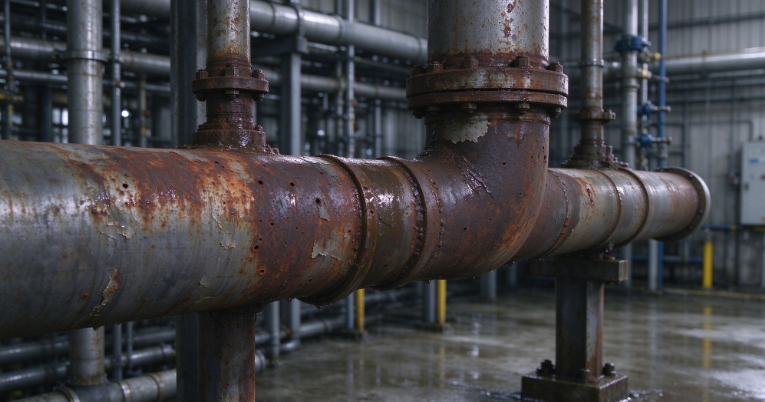
Stainless steel pipes are widely valued in construction, industry, and home applications for their durability, sleek appearance, and impressive strength. While stainless steel offers greater corrosion resistance compared to mild or carbon steel, it's important to remember that it is stain-less, not stain-proof. Under certain conditions, even stainless steel pipes can develop corrosion—from minor tea staining to more severe, flaky rust. This often leads to concern among users of stainless steel railings, tanks, kitchen appliances, marine fittings, and decorative structures, as rust can quickly turn an elegant finish into an unsightly mess. Fortunately, how to remove rust from stainless steel pipe is a manageable issue when the correct cleaning methods are applied, helping to restore both appearance and performance without causing damage.

Reasons why stainless steel seamless pipes rust:
1. Rust due to adhesion of dissimilar metals
Dissimilar metals are metals that are prone to rust, such as iron. Iron powder and iron cutting will cause rust. If the situation is not serious, just wipe it with a sponge cloth and a neutral detergent or soapy water. However, if the situation is serious and brown rust spots have formed, then you need to use a special cleaning agent on the market. agent or 15% sulfuric acid diluent for cleaning.
2. Rust caused by harmful components in the exhaust gas
Stainless steel pipes are prone to rust spots under the influence of harmful components contained in car exhaust, exhaust from air conditioners and heaters, or factory exhaust.
3. Rust caused by adhesion of salt
When exposed to sea breeze in coastal areas, 304 stainless steel pipes will also develop red rust in a short period of time. Moreover, it rusts faster than other areas, and the treatment method is the same as the first case. Coastal areas hope to use corrosion-resistant 316 stainless steel pipes as soon as possible when using stainless steel exteriors.
4. Rust caused by adhesion of cleaning solution
When stainless steel pipes rust, you should pay attention to their usage environment, application conditions, and choose appropriate pipe materials.

How to Remove Rust From Stainless Steel Pipe
When faced with corrosion, many people wonder how to remove rust from stainless steel pipe effectively without harming its surface. Fortunately, there are several proven methods—ranging from commercial products to common household solutions—that can help restore your stainless steel pipe's clean and polished look.
1. Try a Dedicated Stainless Steel Cleaner
One of the most efficient ways to remove rust from stainless steel pipe is by using a specialized stainless steel cleaner. These products are formulated with active ingredients designed to break down rust, stains, and oxidation without damaging the surface. Simply spray the cleaner onto the affected area and gently wipe with a soft cloth. Always follow the manufacturer's instructions to ensure safe and effective use.
2. Use White Vinegar or Lemon Juice
If you're looking for a more natural solution, white vinegar and lemon juice are excellent options. Both contain mild acids that help dissolve surface rust and stains. To apply, dampen a soft cloth with either liquid and rub the rusted area of the stainless steel pipe. Afterward, rinse thoroughly with clean water. This gentle method is ideal if you're concerned about how to remove rust from stainless steel pipe safely at home.
3. Apply Toothpaste for Light Rust
Toothpaste isn't just for teeth—it can also serve as a mild abrasive for cleaning rust spots. Squeeze a small amount onto a soft cloth and rub the affected area in circular motions. The fine abrasives in toothpaste help lift oxidation and polish the surface. Once the rust is gone, rinse the pipe well to remove any residue. This is a simple and accessible method for those exploring how to remove rust from stainless steel pipe with common household items.
4. Use Sandpaper or Steel Wool for Tough Rust
For more stubborn rust patches, you may need to resort to sandpaper or fine steel wool. Gently rubbing the surface can help eliminate deep-set rust, but caution is necessary—this method may leave scratches or dull the finish if used too aggressively. Only use this option when other methods haven't worked, and always follow up with a rinse and polish to restore shine. This approach can be part of your last-resort strategy in learning how to remove rust from stainless steel pipe without damaging it too much.