How to Prevent Steel Pipe from Rusting
2026-07-02
How to Prevent Steel Pipe from Rusting
What Triggers Rust on Carbon Steel Pipes?
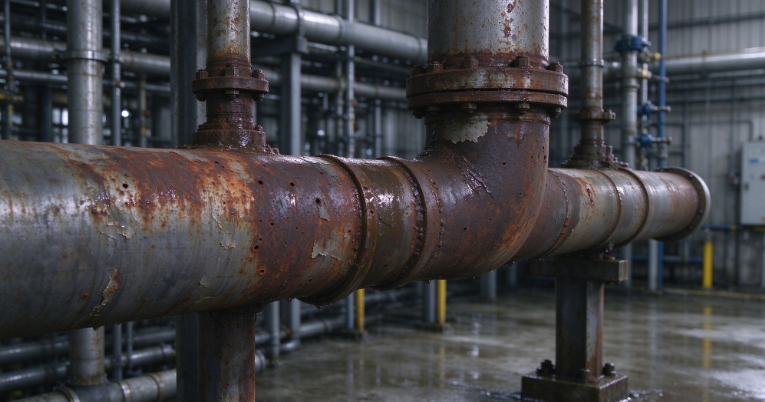
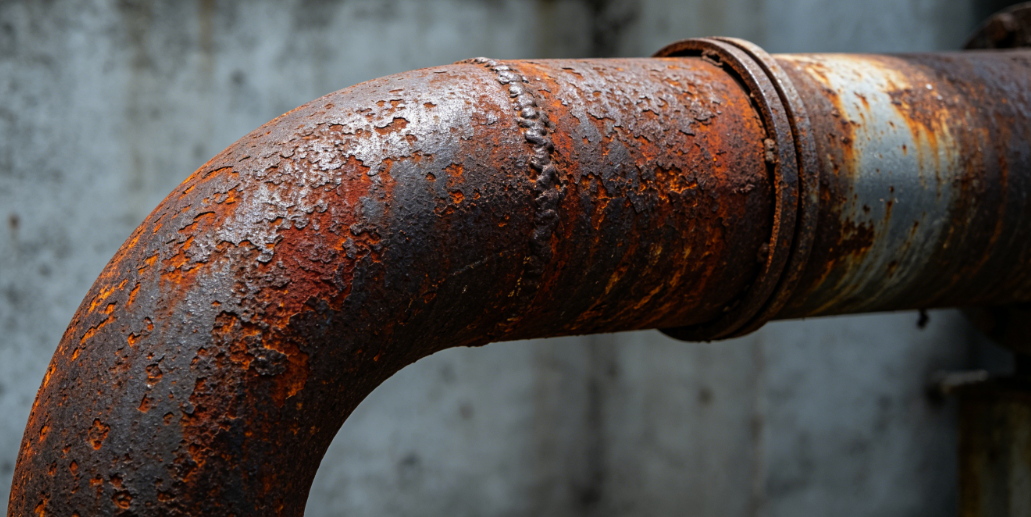
Rust forms when the metal surface of carbon steel pipes reacts chemically with oxygen and moisture existing in the air. Bare carbon steel lacks natural anti-corrosion layers, so oxidation reactions will start once water vapor and oxygen touch the pipe surface, forming reddish-brown rust over time. Besides this primary cause, high surrounding humidity, salt fog in coastal areas and chemical contamination such as acid dust will also speed up pipe corrosion significantly. Learning about these rust triggers helps carry out proper carbon steel pipe maintenance and standardized carbon steel pipe storage, mastering effective ways how to prevent steel pipe from rusting.
What Rules Should We Follow for Anti-Rust Work?
All anti-corrosion operations around carbon steel pipes must abide by four core maintenance principles, which run through warehouse storage, transportation and on-site construction:
- Maintain dry surroundings: Moisture is the essential condition that leads to rust growth. Cutting off contact between steel and water vapor can greatly lower corrosion risks.
- Keep pipe surfaces clean: Dust, salt residues and chemical contaminants will quicken corrosion speed by trapping moisture on metal surfaces.
- Retain intact protective coating: Anti-rust layers like paint or galvanization serve as the most reliable barrier against rust, isolating steel from corrosive media.
- Conduct routine checks: Spot tiny corrosion issues early to avoid large-scale pipe damage and costly replacement.
What Practical Carbon Steel Pipe Maintenance Methods Can We Adopt?
After removing existing rust on pipes via sandblasting or polishing, you can apply these reliable solutions for long-term protection:
Keep Carbon Steel Pipes Dry
Dry storage and usage conditions are the top priority to avoid rust. Try to limit pipes' long-term contact with water vapor and rainwater. For daily carbon steel pipe storage, choose dry warehouses with smooth ventilation and low average humidity. Once pipes get damp due to rainy weather or water leakage, place desiccants or run dehumidifiers to remove extra moisture quickly before rust emerges.
If outdoor storage cannot be avoided due to large stock volume, place pipes on solid supports with a height of no less than 20 cm to separate them from muddy, wet ground. Cover all pipe stacks tightly with thick waterproof tarps, dig surrounding drainage channels to stop rainwater from accumulating around the pipes and soaking the pipe ends.
Applying Rust Inhibitors for Carbon Steel Pipes
Select suitable industrial metal rust inhibitors according to your usage environment and spread them evenly on fully derusted pipe surfaces. The inhibitor will form a dense, transparent protective film to isolate the steel from air and dampness. Match your rust inhibitor type to the actual service environment of the pipes; oil-based inhibitors fit indoor storage while water-resistant formulas work better for semi-outdoor placement, as different inhibitors deliver distinct anti-corrosion performance. Reapply the inhibitor every 3–6 months for long-term stockpiled pipes.
Anti-Corrosion Paint Protection for Carbon Steel Pipes
Coating paint offers durable long-term anti-rust protection that lasts far longer than temporary rust inhibitors. High-quality paint not only upgrades pipes' appearance but also blocks rust formation effectively. Pay attention to paint quality and coating thickness during construction to guarantee full coverage without missing pipe joints and cut ends. Normally, primer boosts paint adhesion to metal surfaces while topcoat strengthens overall anti-corrosion performance against ultraviolet rays and chemical erosion.
It is advised to recoat the pipes every 1 to 2 years for outdoor service pipelines. Adopt three-layer coating systems including primer, intermediate coat and topcoat, with a total film thickness ranging from 150 to 200 μm to block corrosive substances from penetrating the steel substrate and causing internal rust.
Regular Inspection Work
Routine inspection is a necessary part of complete carbon steel pipe maintenance. Check pipes regularly to catch potential rust risks and fix them in a timely manner. Reapply rust inhibitor or repaint sections where the protective coating cracks, peels or wears off after long-term placement or transportation friction.
Carry out weekly checks on weld seams, pipe joints, support frames and other dust-prone areas, and clear dirt and minor rust spots immediately before they spread to larger areas. For pipes stored outdoors, add extra inspection rounds after heavy rain to check for tarp damage and water seepage.
Conclusion
To fully master how to prevent steel pipe from rusting, multiple maintenance methods should be combined during routine carbon steel pipe storage and field use. Constantly keep pipes dry and away from humid ground, coat surfaces with rust inhibitors or multi-layer anti-corrosion paint, and perform regular inspections persistently to fix minor defects in advance. The combination of these operations can effectively prolong the service life of carbon steel pipes, reduce maintenance costs in the later stage and guarantee stable, safe operation in all kinds of service environments, from indoor factory pipelines to outdoor construction engineering.