How to Prevent Steel Pipe from Rusting and Extend Its Service Life
2025-05-14
How to Prevent Steel Pipe from Rusting and Extend Its Service Life
Steel pipes are essential components in countless industries—from construction and plumbing to oil and gas. But have you ever wondered just how prone steel pipe is to rusting over time? You might assume your piping system is well-protected, but in reality, many steel pipes face serious risks of corrosion, especially when made from carbon steel. According to the American Galvanizers Association, around 85% of all steel produced is carbon steel, a material that's particularly vulnerable to rust.
The good news? You don't need to replace your entire system to keep corrosion at bay. By understanding why steel pipes corrode—and more importantly, how to prevent steel pipe from rusting—you can take the right steps to extend the life of your piping and avoid costly repairs down the line.
Why Do Steel Pipes Rust?
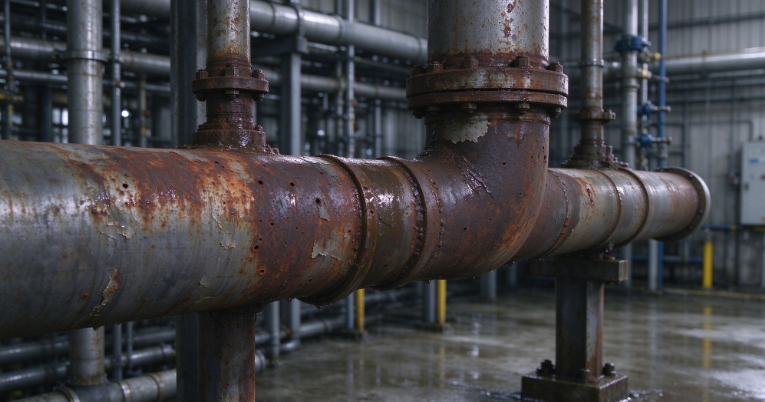
Steel pipes—particularly those made from carbon steel—are highly susceptible to rust because of their iron content. While iron gives steel its strength and structural integrity, it also makes the metal reactive when exposed to moisture and oxygen. Once these elements come into contact with the surface, iron atoms start bonding with oxygen, forming iron oxide—commonly known as rust.
Rust isn’t just a surface-level issue. Once it starts forming, it spreads quickly, weakening the pipe wall and leading to problems like pressure drops, leaks, or even full-scale pipe failure. This process can speed up dramatically in the presence of electrolytes such as water, salt, or acidic substances. These act as conductors, helping electrons escape from the metal, which further accelerates corrosion.
Understanding why steel pipes rust is the first step in knowing how to prevent steel pipe from rusting in the long run—especially in harsh environments where moisture and contaminants are unavoidable. Addressing the root cause makes it easier to apply the right protective measures.

What Makes Steel Pipes More Prone to Rusting?
While carbon steel itself is naturally vulnerable to corrosion, the speed and severity of rusting can vary widely depending on environmental and operational conditions. Several key factors can accelerate the degradation process, making it more urgent to understand how to prevent steel pipe from rusting before damage sets in.
Galvanic Corrosion
When carbon steel is joined with a different type of metal—such as stainless steel—galvanic corrosion can occur. This electrochemical reaction causes electrons to move from one metal to another. In mixed-metal systems, carbon steel usually becomes the sacrificial metal, meaning it corrodes faster. This is a common issue when people ask, "does black steel pipe rust when connected to other metals?"—the answer is yes, especially in galvanic conditions.
Pitting Corrosion
This type of localized corrosion forms tiny holes or pits in the steel surface. These pits often go unnoticed until they cause significant structural problems or leaks. Moisture, acidic substances, or industrial chemicals can accumulate in these small areas and accelerate rust formation. To avoid this silent damage, it's crucial to take steps in advance on how to prevent steel pipe from rusting, especially in corrosive environments.
Environmental Exposure
Pipes exposed to humidity, pollutants, salt-laden air (such as in coastal regions), or harsh industrial chemicals are much more likely to corrode quickly. Even physical wear and tear—such as friction against rough surfaces—can strip away protective layers and expose bare metal, creating entry points for rust to develop.
These factors highlight just how important it is to implement corrosion prevention strategies early. Knowing how to prevent steel pipe from rusting under these conditions can greatly extend the lifespan of your piping systems and reduce maintenance costs.