How to Polish Stainless Steel Pipe
2025-04-01
How to Polish Stainless Steel Pipe
Stainless steel pipes is widely used across various industries, from architectural enhancements to kitchen appliances, thanks to its sleek, contemporary appearance. Beyond aesthetics, it offers exceptional durability and functionality, making it a preferred choice for tools and utensils, particularly in the food and automotive sectors.
When polished to a mirror finish, stainless steel stands out with its striking, high-gloss appeal. This reflective brilliance is just one reason why it is favored for products ranging from home appliances to automotive components. Additionally, its low-maintenance nature makes it a valuable investment for those who seek both beauty and practicality.
Imagine taking an ordinary, unpolished stainless steel pipe and transforming it into a dazzling, mirror-like surface that showcases both craftsmanship and precision. Whether you're a professional in the industrial sector, a dedicated DIYer, or someone looking to refine the look of stainless steel fixtures at home, mastering the polishing process can unlock countless possibilities. This guide will walk you through the essential steps, from surface preparation to the final buffing stage, to help you achieve that flawless, polished finish.

How to polish stainless steel in three simple steps:
1. Clean and prep the stainless steel
2. Buff the stainless steel
3. Polish the stainless steel
Next, we will provide a detailed introduction to these three items.
1. Cleaning and Preparing Stainless Steel Pipes
Before polishing stainless steel pipes, proper cleaning is essential to ensure a smooth and flawless finish. Any dirt, debris, or residue left on the surface can lead to scratches or imperfections, so starting with a clean surface is crucial.
How to Clean Stainless Steel Pipes
Begin by using a mild detergent, such as dish soap, along with a soft sponge to gently wash the surface. Pay special attention to any stubborn spots—if necessary, use a soft-bristled brush to remove sticky residues. Avoid using steel wool or abrasive materials, as they can cause scratches or further damage to the 304 stainless steel pipe or 316 stainless steel pipe surface.
After cleaning, rinse thoroughly with clean water and dry the pipe with a lint-free towel. At this stage, minor smudges are not a concern since they will be addressed in later polishing steps.
Prepping Rough or Damaged Surfaces
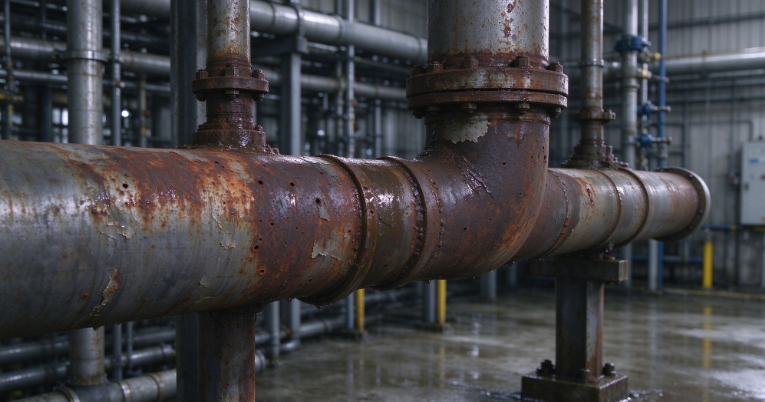
If the stainless steel pipe has rough patches, deep scratches, or welding marks, additional preparation is needed before moving on to buffing. For pipes with significant surface imperfections, an initial pass with sandpaper in the 80 to 120 grit range can help smooth out the surface, creating a better foundation for polishing.
Once the rough areas are treated, clean the pipe again to remove any remaining dust or debris. Any leftover contaminants can interfere with the polishing process and affect the final shine.