How to Correctly Select Steel Pipes for Transportation Pipelines
2026-07-09
How to Correctly Select Steel Pipes for Transportation Pipelines
What Basic Conditions Should You Clarify Before Choosing Transportation Pipelines?
Proper steel pipe selection for transportation pipelines directly impacts operational safety, service life and overall cost. Whether transportation pipelines convey oil, gas, water or chemicals, you need to evaluate material performance, industry standards and site environment. This article shares key selection points for matching qualified seamless pipe and ERW pipe.
Start by sorting out core operating parameters of your transportation pipelines. Confirm the transported medium, as crude oil, natural gas, chemical liquid and steam all place different load demands on pipes. Operating pressure and temperature also matter greatly.
High-temperature, high-pressure transportation pipelines rely on sturdy pipes with great mechanical strength and structural integrity. In such scenarios, seamless pipe and LSAW pipe are top choices. Matching pipe specs to working conditions prevents pipeline breakdowns and cuts maintenance costs.
Which International Standards & Steel Grades Fit Transportation Pipelines Best?
All pipes for transportation pipelines must comply with authoritative global standards:
- API 5L: Oil & gas transmission transportation pipelines
- ASTM A106: High-temperature service pipelines
- EN 10208 / ISO 3183: General line pipe specifications
Steel grades such as X42, X52, X70 determine the ability of pipes for transportation pipelines to resist stress and corrosion. Matching the right grade ensures stable pipeline operation in complex laying environments.
What Are Differences Between Seamless Pipe And ERW Pipe For Transportation Pipelines?
When sourcing pipes for transportation pipelines, it's vital to distinguish seamless pipe and ERW pipe, two mainstream options with unique applicable scenarios.
What Advantages Does Seamless Pipe Have For Transportation Pipelines?
Seamless pipe is integrally formed without welding seams, boasting uniform texture and outstanding pressure resistance. It fits high-pressure long-distance transportation pipelines and harsh working sites where structural safety is prioritized, effectively lowering rupture risks.
In Which Scenarios Is ERW Pipe More Suitable For Transportation Pipelines?
ERW pipe adopts high-frequency resistance welding for seam forming. It features cost advantages and suits medium-pressure transportation pipelines, including urban water distribution and short-distance gas delivery projects.
When Will LSAW & SSAW Pipes Replace Seamless Pipe And ERW Pipe For Transportation Pipelines?
LSAW and SSAW pipes target large-diameter, high-flow trunk pipelines. LSAW delivers precise dimensions and strong welds, while SSAW controls costs for low-pressure long-distance transmission. Still, they cannot substitute seamless pipe for small-bore high-pressure projects.
How To Boost Anti-Corrosion Ability Of Transportation Pipelines In Harsh Environments?
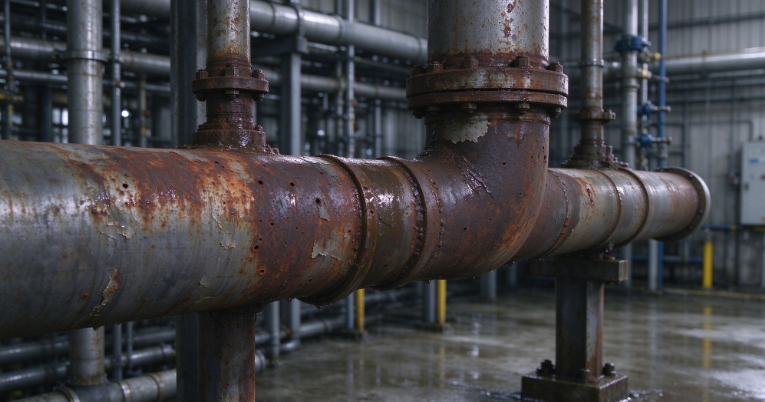
Buried, marine or chemical-contacted transportation pipelines face severe corrosion. Both seamless pipe and ERW pipe can be equipped with protective coatings to extend service life:
- 3LPE/3LPP: Standard for buried oil & gas transportation pipelines
- FBE epoxy coating: Ideal for chemical medium pipelines
Concrete coating: For underwater and trench-laid transportation pipelines