Complete Guide to Galvanized Steel Pipe Uses Benefits and Service Life
2025-12-24
Complete Guide to Galvanized Steel Pipe Uses Benefits and Service Life
What Is Galvanized Pipe?
As one of the most commonly used industrial pipelines, cs pipe (carbon steel pipe) is valued for its strength, versatility, and cost efficiency. Based on carbon content, carbon steel pipes are generally classified into mild steel, medium carbon steel, and high carbon steel pipes, each designed for different mechanical and structural requirements.
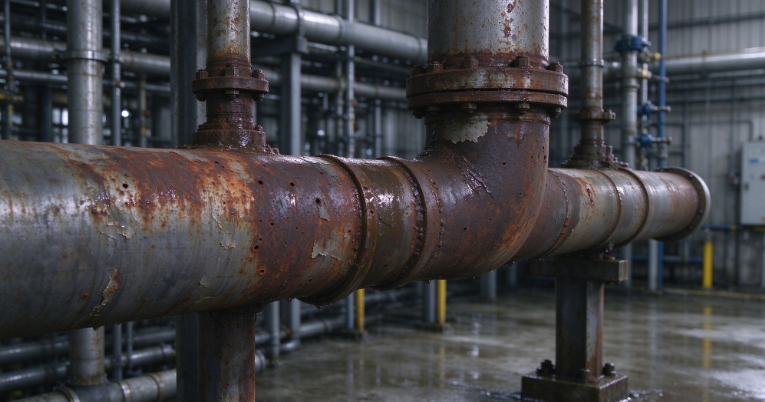
However, untreated cs pipe has a natural weakness—poor resistance to corrosion. When exposed to moisture, oxygen, or aggressive environments, carbon steel pipes are prone to rusting, which significantly reduces their service life. To overcome this limitation, galvanization was developed.
So, what is galvanized pipe exactly?
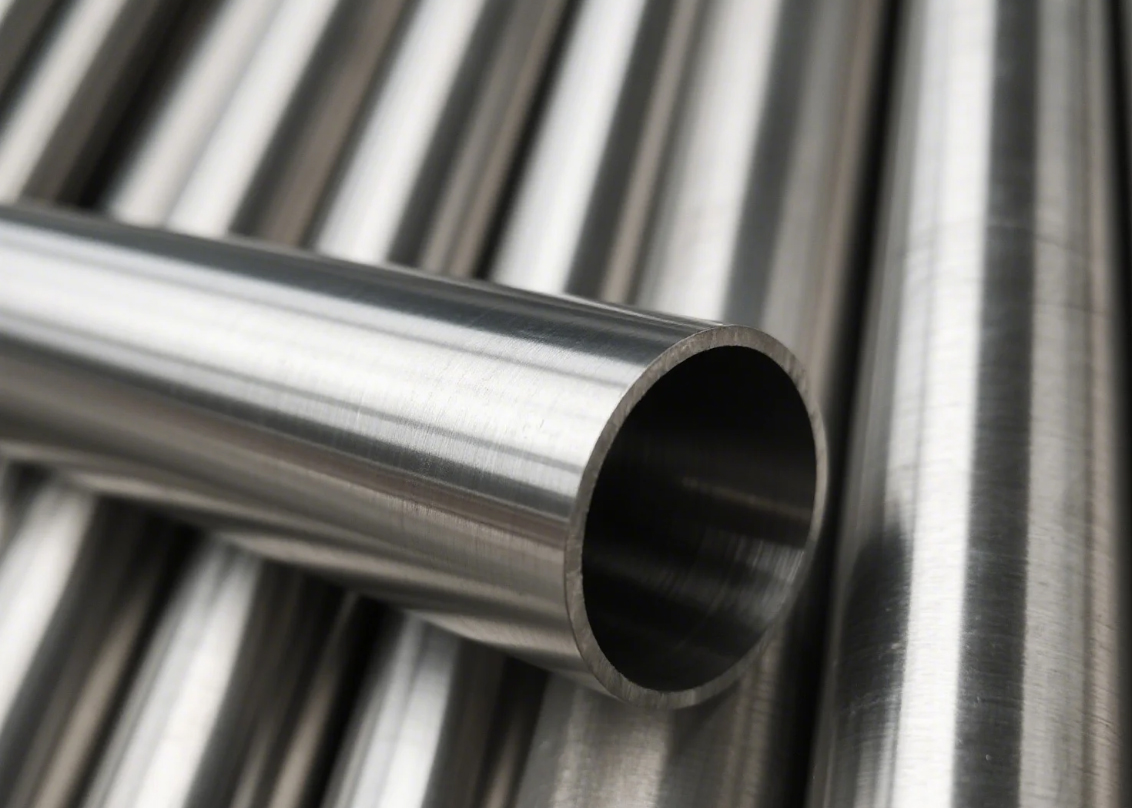
A galvanized pipe is a carbon steel pipe coated with a protective zinc layer. This zinc coating acts as a physical barrier and provides sacrificial protection, greatly enhancing corrosion resistance and extending the lifespan of the pipe. Thanks to these advantages, galvanized cs pipe is widely used in construction, infrastructure, machinery, and automotive applications.
Concept and Manufacturing Process of Galvanized CS Pipe
Galvanization is a surface treatment process in which a zinc layer is applied to carbon steel pipes to prevent corrosion. During this process, zinc reacts with the steel substrate to form a dense zinc–iron alloy layer, which offers excellent oxidation and corrosion resistance.
There are two primary methods used to produce galvanized cs pipe:
1. Hot-Dip Galvanizing
Hot-dip galvanizing involves immersing carbon steel pipes into molten zinc at high temperatures. A metallurgical reaction occurs between iron and zinc, forming multiple alloy layers that are firmly bonded to the steel surface. This process produces thick, durable coatings suitable for harsh environments.
2. Electro-Galvanizing
Electro-galvanizing uses an electrolytic process to deposit a thin, uniform layer of pure zinc onto the surface of the cs pipe. While the appearance is smoother and brighter, the corrosion resistance is generally lower than that of hot-dip galvanized pipes.
How are Galvanized Carbon Steel Pipes Processed?
1. Surface Preparation
Before galvanizing, the cs pipe must be thoroughly cleaned to remove oil, rust, and oxide scale. Proper surface preparation ensures strong adhesion of the zinc layer. Common methods include chemical cleaning combined with sandblasting or wire brushing to achieve a clean steel surface.
2. Galvanizing Treatment
The prepared pipe is immersed in a molten zinc bath, typically maintained at around 450–460°C. During this stage, iron–zinc alloy layers form on the surface, creating a robust protective structure. Coating thickness is carefully controlled to meet international standards.
3. Quality Inspection
After galvanizing, the pipe undergoes strict inspection. Zinc coating thickness, uniformity, and adhesion are checked to ensure compliance with standards such as ASTM A123. Only qualified galvanized cs pipe products are approved for practical applications.