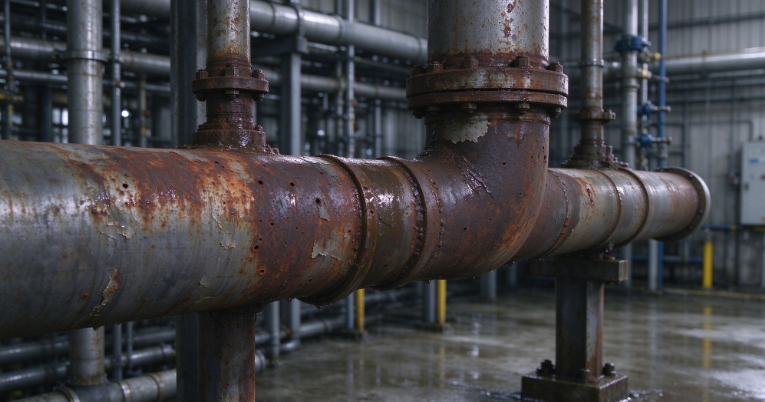
What Is Seamless Steel Pipe And Its Functions
2025-01-10
What Is Seamless Steel Pipe And Its Functions
1. Definition of Seamless Steel Pipe
Seamless steel pipe, also known as SMLS pipe, is a type of tube manufactured without any welded joints. It is created from solid steel, typically in the form of sheets or bars, which are shaped into solid cylindrical pieces called “billets.” These billets are then heated and molded using a piercing rod or similar tool to form a hollow tube or shell. Seamless steel pipes are also commonly referred to as seamless tubes. Depending on the material used, seamless pipes can be divided into categories such as carbon steel pipes and stainless steel pipes. Additionally, based on their applications, they are classified into boiler tubes, mechanical tubes, and seamless casing pipes. Seamless steel pipes can be manufactured in a wide range of lengths and diameters, with sizes reaching up to 28 inches. One significant advantage of seamless pipe production is the flexibility in wall thickness, as there are virtually no limitations on how thick the pipe walls can be.

2. Characteristics of Seamless Steel Pipe
As hollow steel tubes without any seams, they are primarily employed for transporting liquids through pipelines. Unlike general steel, seamless steel pipes are a type of heavy-duty material with excellent corrosion resistance, including resistance to general wear and tear.
These pipes are highly durable and rustproof, which significantly extends their lifespan. Another key advantage is their cleanliness and non-toxic nature, making them safe for various applications. Compared to other materials, seamless steel pipes exhibit superior mechanical strength and impact resistance. Even under extreme temperatures, they maintain their performance. Installation of seamless steel pipes is straightforward and similar to other types of piping, making them a versatile choice for transporting water and other liquids.
3. Hot Rolled Seamless Steel Pipe
Hot rolling refers to a process where steel is rolled at temperatures above its recrystallization point, in contrast to cold rolling, which is performed below this temperature.
Advantages
Hot-rolled seamless steel pipes help eliminate the cast microstructure of steel ingots, refine the crystal grains, and remove any defects in the microstructure. This process compacts the steel’s internal structure, enhancing its mechanical properties. The improvements are particularly noticeable in the direction of the roll, making the steel more isotropic to a certain extent. Additionally, defects such as bubbles, cracks, and osteoporosis created during casting can be welded together under high temperature and pressure.
Disadvantages
(1). After hot rolling, nonmetallic inclusions (such as sulfides, oxides, and silicates) inside the steel are flattened into sheets, resulting in a laminated structure. This can deteriorate the steel's tensile performance, particularly in the thickness direction, and may cause issues like weld shrinkage and interlayer tearing.
(2). Residual stress may develop due to uneven cooling. These internal stresses occur in the absence of external forces and can affect the performance of the steel, such as its deformation, stability, and fatigue resistance.
(3). Hot-rolled steel products may experience poor control over thickness and edge width. Steel often contracts after being rolled, leading to negative differential changes in edge width and more pronounced issues with thicker sections.
4. Cold Rolled Seamless Steel Pipe
Cold-rolled seamless steel pipes are precisely cold drawn or rolled steel pipes that offer high dimensional accuracy and smooth surfaces. They are commonly used in machinery and hydraulic equipment. The cold rolling process involves shaping steel plates or strips into various steel products using processes such as cold bending and drawing. Cold-rolled seamless steel pipes include general steel pipes, low and medium pressure boiler tubes, high-pressure boiler pipes, alloy steel pipes, stainless steel pipes, and petroleum cracking pipes. They can also include thin-walled pipes made from carbon steel, alloy steel, or stainless steel, as well as special-shaped pipes. Hot-rolled seamless steel pipes generally have outer diameters larger than 32mm and wall thicknesses ranging from 2.5mm to 75mm, while cold-rolled seamless steel pipes typically have outer diameters smaller than 6mm and wall thicknesses under 0.25mm. Thin-walled cold-rolled pipes have diameters under 5mm and thicknesses less than 0.25mm. Cold-rolled pipes typically offer better dimensional accuracy than hot-rolled pipes.
Advantages
(1). Cold rolling has high productivity, as it shapes the material without damaging the coating. It also allows for the production of various shapes to meet different application requirements. The process significantly increases the yield point of the steel by enhancing its plastic deformation.
(2). The cold rolling process refines the grain structure of the steel and eliminates microstructure defects, resulting in a more compact and stronger steel product. This improvement is particularly evident along the rolling direction, making the material less isotropic. The high temperature and pressure during cold rolling can also help repair casting defects such as bubbles and cracks.
Disadvantages
(1). Cold-rolled steel sections are generally open, making them more prone to twisting when bent. They exhibit lower free torsional stiffness, and flexural-torsional buckling can occur when subjected to pressure.
(2). Cold-rolled steel pipes tend to have thinner walls, and their corners may not be thickened. This can lead to a reduced ability to bear concentrated loads in certain areas.
5. What Are The Differences Between Seamless Steel Pipes and ERW Steel Pipes?
One of the main competitors to seamless steel pipes is ERW (Electric Resistance Welded) steel pipes, largely due to their lower manufacturing costs. While ERW pipes are more affordable, seamless steel pipes offer several significant advantages, such as:
(1) the absence of a weld seam
(2) a more uniform distribution of material properties across the pipe
(3) considerably lower residual stresses.
These characteristics make seamless steel pipes suitable for more demanding applications, where uniformity and strength are crucial. However, seamless steel pipes tend to be more expensive than their ERW counterparts, mainly due to the complex manufacturing process involved in their production.
If you would like to learn more about the differences between seamless steel pipes and ERW steel pipes, please refer to this article: ERW Steel Pipe vs. Seamless Steel Pipe
6. What Are The Applications of Seamless Steel Pipes?
Seamless steel pipes are integral to various industries due to their exceptional strength, corrosion resistance, and high-pressure tolerance. These pipes are used in a wide range of applications, which include, but are not limited to, the following:
Oil and Gas Industry
The oil and gas sector is one of the primary users of seamless steel pipes. They are essential for oil casing, tubing, and pipelines, both onshore and offshore, where high strength and resistance to corrosion are critical. Seamless pipes ensure the safe and efficient transport of petroleum and natural gas over long distances, even in the most challenging environments.
Power Generation
Seamless steel pipes play a crucial role in the power generation industry, especially in the construction of heat exchangers, boilers, and steam systems. They are used to transfer high-temperature fluids in power plants, where their ability to withstand extreme temperatures and pressures ensures the reliable operation of these facilities.
Automotive Industry
In the automotive sector, seamless steel pipes are widely used in hydraulic systems, such as brake lines and steering components. These pipes are chosen for their durability and resistance to corrosion, ensuring that they can withstand the high-pressure demands and harsh environmental conditions typical in automotive applications.
Chemical and Fertilizer Plants
Seamless steel pipes are extensively used in chemical and fertilizer plants, particularly in systems that require resistance to high pressure and corrosion. They are found in piping systems, reactors, and heat exchangers, where they facilitate the safe transportation of chemicals and gases.
Construction and Infrastructure
Seamless steel pipes are also crucial in the construction industry, where they are used for structural supports, plumbing systems, and fire protection systems. Their strength and resistance to wear make them ideal for demanding applications in residential, commercial, and industrial buildings.
Shipbuilding and Marine Applications
In the marine industry, seamless steel pipes are used extensively in shipbuilding, especially in the construction of ships' fuel systems, hydraulic systems, and engine components. Their resistance to corrosion and ability to endure high pressures make them perfect for marine environments where these conditions are common.
Food Processing and Pharmaceutical Industries
The food processing and pharmaceutical industries also rely on seamless steel pipes for their clean and sterile properties. These pipes are used in the production of food, beverages, and pharmaceuticals, where hygiene and quality control are paramount. Seamless pipes prevent the contamination of products during the manufacturing process.
Hydraulic and Pneumatic Systems
Seamless steel pipes are commonly used in hydraulic and pneumatic systems, where they transport fluids under pressure. These pipes are essential for equipment such as pumps, cylinders, and valves in industries like mining, construction, and manufacturing, where high-performance materials are necessary for smooth operations.
Aerospace Industry
Seamless steel pipes are also used in the aerospace industry for constructing aircraft components, especially in systems requiring lightweight yet strong materials. These pipes are used in fuel systems, airframes, and hydraulic systems, ensuring that aircraft can endure the stresses of flight while maintaining safety and efficiency.
High Temperature and Pressure Applications
Seamless steel pipes are the preferred option for applications that involve high temperatures and pressures, such as in chemical reactors, steam pipelines, and power generation facilities. These pipes can withstand the stresses and extreme conditions of high-temperature environments, ensuring long-term reliability and performance.
Seamless steel pipes are versatile and essential in a wide range of industries, thanks to their superior mechanical properties and ability to handle extreme conditions. From energy production to automotive systems, seamless pipes ensure the safe and efficient operation of crucial infrastructure across the globe.
7.Conclusion
Seamless steel pipes, known for their excellent strength, corrosion resistance, and ability to withstand high temperatures and pressures, play a crucial role across various industries. From oil and gas transportation to power generation, automotive applications, and construction, they are a key component in many sectors worldwide. Their seamless structure provides uniform material properties and low residual stresses, making them the preferred choice for demanding applications.
As a leader in the seamless steel pipe industry, Youfa Steel Pipe Group has been dedicated to providing high-quality steel pipe products to meet the needs of a wide range of industries. With advanced production processes and strong technical capabilities, Youfa offers various steel pipe products, including seamless steel pipes, widely used in energy, chemical, construction, and mechanical industries.
We understand your needs and offer top-notch steel pipe solutions. If you are interested in seamless steel pipes or other types of steel pipes, feel free to contact us for more information and tailored services to meet your specific requirements.