What Is Galvanized Steel Pipe
2025-01-17
What Is Galvanized Steel Pipe
1.Overview of Galvanized Steel Pipe
Galvanized steel pipes are known for their steel structure and protective galvanized coating, and have long been the preferred choice in the pipeline and industrial fields. The zinc coating provides a layer of corrosion resistance, ensuring that these pipelines can withstand harsh environments and continue to function effectively. Galvanized pipes are mainly used for transporting water and various fluids, with reliability and service life. Next, we will delve into the basic aspects of galvanized steel pipes - their composition, galvanizing process, durability, application areas, common safety considerations, and identification and maintenance techniques.
2. What Is The Composition of Galvanized Steel Pipe?
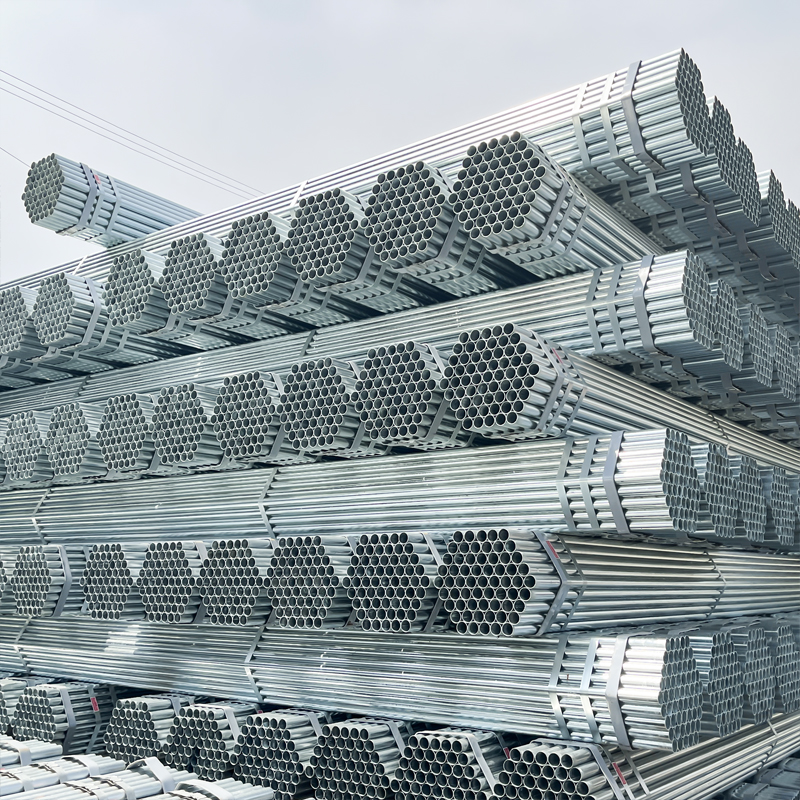
Galvanized pipes are made from steel that is coated with a layer of zinc, combining the strength and durability of steel with the protective benefits of zinc. The steel provides the pipe with structural integrity and resilience, while the zinc coating acts as a protective shield against rust and corrosion. This zinc coating is applied through a process called galvanization, which forms a durable barrier that ensures long-term protection even in challenging environments. The combination of steel and the zinc coating makes galvanized pipes an excellent choice for a variety of plumbing and industrial uses, where resistance to corrosion and longevity are essential.

3. Production Process of Galvanized Steel Pipe
To produce galvanized steel pipes, the process starts with thoroughly cleaning the steel pipe to eliminate impurities such as rust, oil, or debris. After cleaning, the pipe is submerged in molten zinc, where the zinc bonds metallurgically to the steel surface. This creates a robust protective layer that shields the steel from corrosion. The zinc coating also acts as a sacrificial layer, corroding in place of the steel to extend the pipe’s lifespan. Beyond its protective properties, the coating enhances the pipe’s durability and imparts an attractive silver-gray appearance, making it suitable for both practical and aesthetic applications.
4. The Durability of Galvanized Pipes and Factors Affecting Their Service Life
Galvanized pipes are well-known for their impressive durability, having been relied upon for decades in a variety of settings. The zinc coating provides a strong defense against rust and corrosion, safeguarding the steel core and maintaining the pipe’s structural integrity. This resilience makes galvanized pipes ideal for both indoor and outdoor environments. However, to maximize their service life, it’s crucial to understand the factors that may influence their longevity.
The lifespan of galvanized pipes depends on elements such as water flow, exposure to corrosive substances, and the condition of the zinc coating. Proper water flow minimizes stagnation, which helps reduce the likelihood of corrosion. Conversely, minerals, chemicals, and other corrosive elements in water can slowly wear down the zinc layer, compromising its protective properties. Regular maintenance, including inspections, preventative measures against corrosion, and prompt repairs, can significantly extend the service life of galvanized pipes, ensuring their durability in demanding conditions.
5. How to Identify Galvanized Steel Pipes?
Determining whether a pipe is made of galvanized steel can be done using simple observation and basic tests. Start by examining the pipe that enters the wall or floor of your home or business to determine if it is made of plastic, copper, lead, or galvanized steel. If the material type is not immediately clear, a magnet can be used to help identify it.
Place a magnet against the pipe. If the magnet sticks, the pipe is likely galvanized steel. If the magnet does not adhere and the pipe looks to be in good condition, gently scrape the surface with a screwdriver or utility knife to expose the underlying material.
Key identifying characteristics of different pipe materials:
Copper: Scraping reveals a shiny surface resembling the color of a new penny. A magnet will not stick to copper pipes.

Galvanized Steel: Scraping exposes a silver or whitish surface, and the pipe will attract a magnet.

Lead: Scraping also reveals a silver or whitish surface, but a magnet will not stick to lead pipes.

Plastic: Plastic pipes are easily identifiable by their lightweight nature, varied colors, and inability to attract a magnet.
Important Note: If the pipe is corroded or in poor condition, avoid scraping it and rely solely on the magnet test for identification.
6. Common Problems and Causes of Galvanized Steel Pipes
Over time, galvanized steel pipes can develop several issues due to various factors. Below are some common problems and their underlying causes:
Internal Corrosion and Rust Accumulation
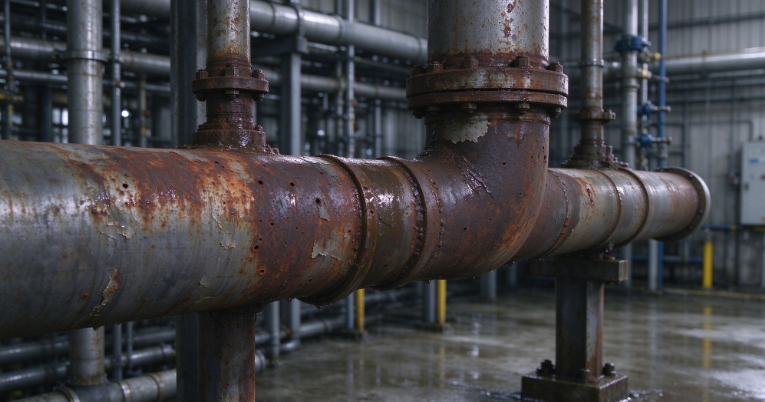
When the zinc coating wears away, the steel underneath becomes exposed, leading to rust and corrosion within the pipe. This can weaken the pipe’s structure and reduce its lifespan.
Lead Contamination Risks
In older plumbing systems, galvanized pipes were often used alongside lead components, which can pose a risk of lead leaching into the water supply.
Galvanic Corrosion
When galvanized pipes are in direct contact with dissimilar metals, such as copper or brass, a chemical reaction known as galvanic corrosion can occur. This accelerates pipe deterioration and can cause leaks or failures.
Scale Buildup and Blockages
Corrosion can lead to the formation of scale inside the pipe, which narrows the internal diameter, restricts water flow, and contributes to plumbing inefficiencies.
Incompatibility with Modern Materials
Galvanized pipes may not perform well when connected to newer plumbing materials, as differences in material properties can trigger corrosion and other pipe-related issues.
Regular inspection and maintenance can help address these problems early, ensuring the continued functionality of galvanized steel pipes.
7. What Is Galvanized Steel Pipe Used For?
Galvanized steel pipes are vital components in numerous industries, celebrated for their durability and excellent corrosion resistance. Here’s a look at how they are utilized in different sectors:
Automotive and Aerospace Industries
In the automotive industry, galvanized steel pipes are valued for their resistance to rust, which significantly extends the lifespan of vehicle components. Similarly, the aerospace sector incorporates galvanized materials to meet rigorous durability standards, ensuring safety and reliability in aircraft construction.
Plumbing Sector
Galvanized steel pipes have long been a cornerstone of plumbing systems, with a service life that can reach up to 70 years, depending on environmental factors. Their strength and resistance to corrosion make them ideal for residential and commercial plumbing, especially in regions with harsh climates.
Renewable Energy: Wind and Solar
The renewable energy industry, particularly wind and solar sectors, relies on galvanized steel pipes for structural support. Their corrosion-resistant properties ensure durability and dependability in installations, even under extreme environmental conditions.
Agricultural Applications
In agriculture, galvanized steel pipes are used for equipment and infrastructure due to their ability to withstand exposure to chemicals, moisture, and other natural elements. This resilience not only extends their service life but also reduces maintenance costs.
Construction Industry
The construction industry extensively uses galvanized steel pipes for scaffolding, structural support, and even aesthetic purposes. Their combination of high strength, corrosion resistance, and an appealing silver-gray finish makes them a favored choice in modern architectural designs.
Telecommunications Field
In telecommunications, galvanized steel pipes are utilized as conduits for wiring and as structural supports for various installations. Their long-lasting nature provides reliable protection for essential communication infrastructure.
The extensive use of galvanized steel pipes across diverse industries highlights their versatility, strength, and durability, making them an indispensable material for numerous applications.