What are Carbon Steel Pipes and Its Uses?
2024-10-24
What are Carbon Steel Pipes and Its Uses?
In the world of industrial materials, carbon steel pipes hold a vital place due to their strength, versatility, and cost-effectiveness. Used across various sectors, these pipes are fundamental to numerous applications ranging from construction to oil and gas transportation.
What Are Carbon Steel Pipes?
Carbon steel pipes are made from a combination of iron and carbon, with carbon content typically ranging from 0.05% to 2.0% by weight. The varying carbon content affects the properties of the steel, influencing its strength, ductility, and weldability.
Composition and Properties
1. Iron (Fe): The primary component of carbon steel, providing the fundamental structure.
2. Carbon (C): Enhances strength and hardness. Higher carbon content increases strength but may reduce ductility.
3. Other Elements: Sometimes, small amounts of other elements such as manganese, silicon, and copper are added to improve certain properties.
The combination of these elements results in a material that is strong, durable, and resistant to wear. The mechanical properties of carbon steel pipes make them suitable for high-pressure applications and various environmental conditions.
Types of Carbon Steel Pipes
Carbon steel pipes can be classified based on several criteria, including their carbon content and manufacturing processes. Here's a breakdown of the main types:
1. Low Carbon Steel Pipes (Mild Steel Pipes):
Carbon Content: Up to 0.25%.
Characteristics: Excellent ductility and weldability, making them easy to form and shape.
Uses: Often used in plumbing, structural applications, and general construction.
2. Medium Carbon Steel Pipes:
Carbon Content: 0.25% to 0.6%.
Characteristics: Greater strength than low carbon steel but less ductility. Can be heat-treated to harden its properties.
Uses: Common in manufacturing automotive parts and heavy equipment.
3. High Carbon Steel Pipes:
Carbon Content: 0.6% to 2.0%.
Characteristics: High strength and hardness but low ductility. More brittle than low and medium carbon steels.
Uses: Used in applications requiring high strength, such as in cutting tools and springs.
4. Seamless vs. Welded Pipes:
Seamless Pipes: Manufactured without any joints, providing higher strength and eliminating potential weaknesses found in welded joints.
Welded Pipes: Made by rolling steel plates and welding the seams. Generally more affordable but may have reduced strength compared to seamless pipes.

Key Characteristics of Carbon Steel Pipes
Understanding the characteristics of carbon steel pipes is essential for determining their suitability for specific applications. Here are some key properties:
1. Strength and Durability: Carbon steel pipes are known for their exceptional strength. They can withstand high pressure and resist deformation under load, making them ideal for heavy-duty applications.
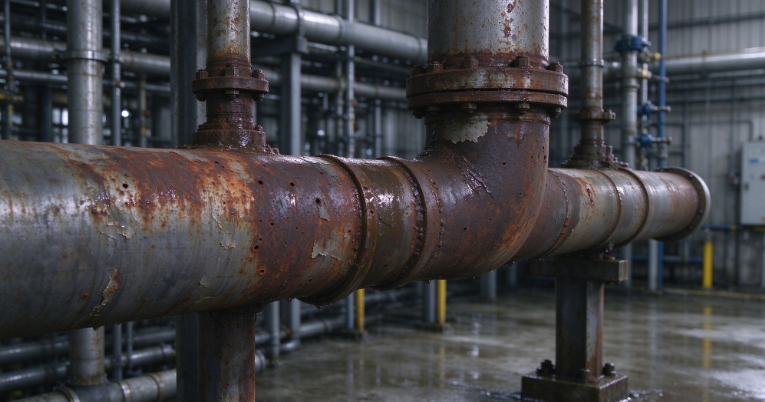
2. Corrosion Resistance: While carbon steel pipes are susceptible to rust and corrosion, various protective coatings and treatments (such as galvanization) can enhance their resistance to environmental factors.
3. Cost-Effectiveness: Compared to other materials like stainless steel, carbon steel pipes are generally more affordable, making them an attractive choice for budget-conscious projects.
4. Versatility: Carbon steel pipes can be used in various applications, from transporting fluids to structural support in buildings.
5. Weldability: Depending on the carbon content, these pipes can be easily welded, allowing for the creation of complex structures and designs.
Applications of Carbon Steel Pipes
Carbon steel pipes are used in a wide range of industries due to their advantageous properties. Here are some of the most significant applications: