How To Clean Galvanized Steel Pipes
2025-02-07
How To Clean Galvanized Steel Pipes
Galvanized steel pipes are steel pipes coated with a protective layer of zinc, which helps prevent rust and corrosion. This galvanization process involves dipping the steel pipe into molten zinc, forming a durable shield that extends the pipe's lifespan. Because of their excellent resistance to environmental factors, galvanized pipes are widely used in plumbing, water supply systems, and outdoor construction applications.
However, like any material, galvanized pipes are not entirely immune to wear and degradation. Over time, exposure to moisture, minerals, and other environmental elements can lead to corrosion, potentially affecting their structural integrity and appearance.
Noticing signs of corrosion on galvanized pipes can be concerning, but there's no need to panic. With the right approach, proper tools, and effective cleaning methods, you can remove corrosion buildup and restore your pipes to optimal condition.
In this guide, we'll explore the causes of galvanized pipe corrosion, effective prevention techniques, and, most importantly, step-by-step methods to clean and maintain these pipes, ensuring long-lasting performance.

1. Why Do Galvanized Steel Pipes Corrode?
Zinc Coating Degradation
Although the zinc coating serves as a protective barrier, it can gradually wear down due to prolonged exposure to environmental elements such as moisture, oxygen, and chemicals. As this protective layer deteriorates, the underlying steel becomes vulnerable to corrosion, leading to potential damage over time.
Physical Damage
Scratches, dents, or abrasions on the galvanized coating can compromise its integrity, exposing the bare steel beneath. Once the protective zinc layer is damaged, these exposed areas become prime spots for rust and corrosion to develop.
Localized Corrosion
Certain areas of galvanized pipes may be more susceptible to localized corrosion, such as pitting corrosion, particularly where the zinc coating is thinner or damaged. This process can result in small holes or pits on the pipe’s surface, which may eventually lead to leaks and structural deterioration.
Chemical Reactions
Exposure to specific chemicals can accelerate the breakdown of the zinc coating. Contact with acidic or alkaline substances, for example, can weaken the protective layer and speed up the corrosion process.
Water Quality
The composition of the water flowing through galvanized pipes also plays a significant role in their longevity. Water with high acidity or containing corrosive minerals can react with the zinc coating, hastening its wear and increasing the risk of internal corrosion.
2. What Are the Signs of Galvanized Steel Pipe Corrosion?
Surface Discoloration
As the protective zinc layer on a galvanized steel pipe deteriorates, the exposed steel may begin to change color. You might observe reddish or brownish patches forming on the surface, indicating the early stages of corrosion.
Rust Formation
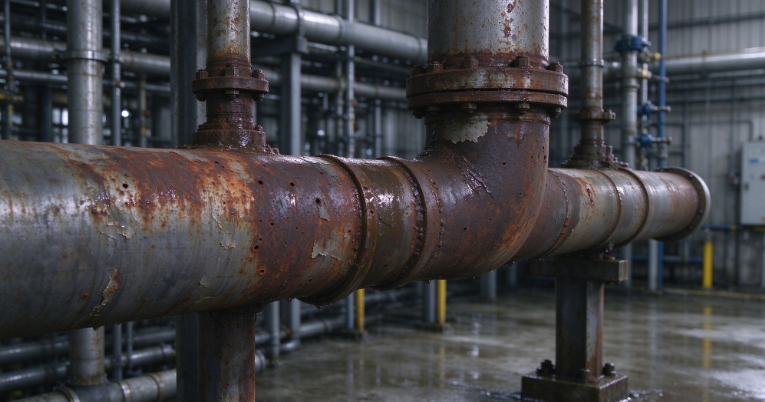
Once the zinc coating on a galvanized steel pipe is compromised, the underlying steel becomes vulnerable to moisture and oxygen, leading to rust. This typically appears as orange or reddish-brown flakes on the pipe’s surface, a clear sign of corrosion progression.
Decreased Water Pressure
Internal corrosion in a galvanized steel pipe can cause mineral deposits and rust buildup, reducing the inner diameter of the pipe. This blockage restricts water flow, leading to noticeably lower water pressure in faucets and plumbing fixtures.
Leaks and Water Damage
Over time, corrosion weakens the structure of a galvanized steel pipe, making it more susceptible to leaks. Signs of leakage include water stains, damp spots, or visible drips near the affected pipes, indicating potential failure.
Unpleasant Taste or Odor in Water
When corrosion occurs inside a galvanized steel pipe, it can alter the taste and smell of your tap water. If your water has a metallic taste or an unusual odor, this may be due to rust or other contaminants from pipe degradation.
Changes in Water Color
Corroded galvanized steel pipes can release rust particles into the water, causing it to appear cloudy or develop a brownish tint. If you notice discolored water, it's a strong indication that internal corrosion is occurring.
Unexpectedly High Water Bills
A sudden rise in your water bill may result from hidden leaks caused by corrosion in a galvanized steel pipe. If your water usage remains the same but your bill increases, inspecting your plumbing system for leaks is recommended.
Visible Pipe Damage
Severe corrosion can lead to noticeable physical deterioration of a galvanized steel pipe. Signs include pitting, flaking, or perforation along the pipe’s surface, indicating advanced corrosion that may require immediate attention.