Is Galvanized Steel Pipe Safe for Drinking Water
2025-01-24
Is Galvanized Steel Pipe Safe for Drinking Water
When setting up a new home, the choice of plumbing materials plays a crucial role in ensuring a safe and reliable water supply. Water is essential to life, and regular access to clean drinking water is vital for maintaining good health. However, poor water quality can negatively impact our well-being, making it essential to prioritize the safety of water sources. This is why special attention should be given to the selection and installation of water pipes during home renovations, as any oversight can lead to serious consequences.
Since tap water is delivered to households through a network of pipes, the type of pipe used becomes especially significant. Selecting the right kind of pipe ensures clean, fresh-tasting water. On the other hand, using unsuitable pipes can result in discolored, foul-smelling water. One example often debated is the use of galvanized steel pipes.

1. The Advantages of Using Galvanized Pipes as Drinking Water Pipes
When galvanized steel pipes were introduced, they quickly gained popularity among homeowners due to their lower cost compared to copper pipes. These pipes have been widely utilized in large-scale construction projects, particularly for outdoor plumbing applications.
One of the key advantages of galvanized steel pipes is their affordability. They are not only more budget-friendly than copper pipes but also offer greater durability compared to plastic alternatives.
Another notable benefit is their larger diameter, which allows for a higher water flow capacity than copper pipes. Additionally, the galvanization process provides excellent rust resistance. The zinc coating acts as a barrier, preventing the iron in the steel from reacting with oxygen and thus reducing the risk of corrosion.
Galvanized steel pipes also stand out for their ease of inspection, allowing flaws to be identified and addressed efficiently. Their combination of cost-effectiveness, durability, and functionality makes them a practical choice for various plumbing needs.
2. The Disadvantages of Using Galvanized Pipes as Drinking Water Pipes
Galvanized steel pipes are coated with zinc to provide protection against rust and corrosion. While this coating offers initial durability, it diminishes over time, leading to several drawbacks when used for drinking water systems.
Rust Accumulation
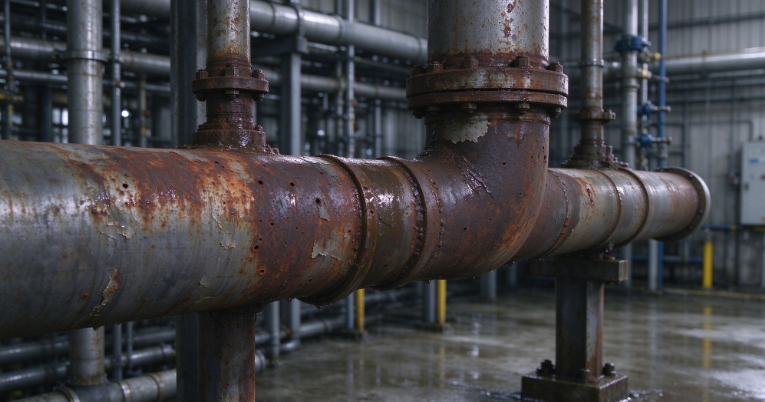
Over time, galvanized pipes are susceptible to rust and corrosion. The zinc coating acts as a temporary barrier, but it does not entirely prevent rusting. As the coating wears away, the exposed steel begins to corrode, and the water passing through the pipes may take on a reddish-brown hue, indicating rust contamination.
Leaks and Reduced Water Pressure
Corrosion within galvanized pipes can result in blockages, leaks, and bursts, often occurring around the joints. These issues not only lower water pressure but may also lead to costly repairs and significant structural damage if left unaddressed. Moisture from undetected leaks can foster the growth of toxic mold, posing additional risks to both property and health.
Potential Health Hazards
The zinc coating on galvanized pipes may contain impurities such as lead, cadmium, and other harmful metals. According to the Environmental Protection Agency, some galvanized pipes can contain up to 10% lead, posing a significant risk to health. Consuming water from such pipes can lead to exposure to these toxic substances, making them an unsuitable choice for drinking water systems.
Internal Corrosion
Continuous exposure to water causes the zinc coating to deteriorate and peel off over time. Once the protective layer is compromised, the pipes are prone to internal corrosion, increasing the likelihood of leaks and pipe failure.
Water Contamination
Corroded galvanized pipes can release harmful substances like lead into the water supply. This contamination not only affects water quality but also poses serious health concerns, as lead is a known toxic chemical.
3. Is Galvanized Steel Pipe Safe for Drinking Water?
It is technically possible to use galvanized steel pipes for drinking water, but it is not recommended. While boiling water can mitigate some risks, prolonged use of galvanized pipes leads to the leaching of lead and zinc into the water. Over time, scale builds up on the inner walls, reducing the pipe's diameter and water pressure. These changes not only affect the pipe's functionality but also pose health risks.
In modern plumbing systems, safer alternatives like PPR pipes and stainless steel pipes are commonly used. These materials offer long service life, are easy to install, and do not release harmful substances into the water. Considering that we rely on plumbing for daily activities such as brushing teeth, bathing, cooking, and drinking, the quality of water pipes directly impacts our health. The World Health Organization (WHO) even highlights that 80% of diseases are linked to water pollution and unsafe drinking water, which underscores the importance of choosing the right materials for plumbing systems.
When the inner walls of pipes corrode and scale accumulates, organic matter can form, causing water quality to degrade significantly. This results in yellowish, foul-smelling tap water. Consuming contaminated water over time may lead to the buildup of harmful substances in the body, accelerating conditions like cardiovascular and cerebrovascular diseases, hypertension, heart disease, and cerebral thrombosis. The accumulation of impurities can also cause kidney and gallbladder stones. Additionally, water polluted by heavy metals such as cadmium and arsenic is a significant threat to human health.
In fact, the use of galvanized pipes for drinking water has been banned in many regions. However, some businesses continue to sell them covertly, taking advantage of public unawareness. In older homes, galvanized pipes are still commonly found, and visible rust on these pipes often indicates poor water quality. The condition of such pipes raises serious concerns about the safety of the water they carry, making them unsuitable for use in modern plumbing systems.

4. Expected Lifespan of Galvanized Pipes
Even in optimal conditions, galvanized steel pipes are prone to corrosion over time. Their expected lifespan generally ranges between 25 to 40 years. However, in regions with hard water, the deterioration process accelerates, and the pipes may fail much sooner.
Although the exterior of galvanized pipes might seem intact, the interior often tells a different story. Rust and mineral deposits gradually accumulate on the inside, narrowing the pipe's diameter. This build-up can significantly reduce water flow, resulting in lower water pressure within the household.
5. Making Water in Galvanized Pipes Safe to Drink
As discussed earlier, water from galvanized pipes can pose serious health risks. However, if you're looking to avoid expensive medical bills due to contaminants, here are a few steps you can take to make the water safer to drink.
Filtration: One of the most straightforward ways to make sure your water is drinkable is by using a filter. A good quality filter can help remove harmful contaminants, making the water safer for consumption.
Relining: An affordable alternative to completely replacing your galvanized pipes is relining. This option is ideal if you have leaks and need a quick solution. Relining helps tackle both rust and corrosion issues while extending the life of your pipes.
Repiping: If filtration doesn’t make the water safe to drink, you might need to consider repiping your home. This involves replacing all galvanized pipes with more modern materials like PVC or copper pipes, which are less likely to corrode.
Cleaning Your Galvanized Pipes
If you're not ready to replace your old galvanized pipes, cleaning them might be a temporary solution. White vinegar is an excellent cleaning agent for removing rust spots. By using a piece of steel wool along with vinegar, you can effectively clean your pipes. However, if rust accumulation is severe, replacing your pipes with more durable options may be the best long-term solution.
Replacing Old Galvanized Pipes
The simple answer to whether you should replace old galvanized pipes is yes. While replacing galvanized pipes with copper or PVC may come at a cost, it is a wise investment that will save you money in the long run, especially in case of plumbing emergencies.
If you delay replacing galvanized pipes, you risk facing costly repairs when they eventually break down. Additionally, you’ll need to seek an alternative safe water source to avoid health hazards. To mitigate these risks, it’s essential to consult a licensed plumber who can assess your pipes and recommend replacements. This proactive step will greatly reduce the chance of expensive water damage, leaks, and pipe bursts.
6. How to Recognize Galvanized Steel Pipes?
Identifying whether a pipe is made of galvanized steel is straightforward and requires only a few simple steps. Start by visually inspecting the pipe where it enters the wall or floor of your property to determine whether it is made of plastic, copper, lead, or galvanized steel. If you are uncertain about the material, you can use a magnet to assist in the identification process.
Here are some key traits to distinguish pipe materials:
Look for an exposed section of the pipe and scratch its surface. If the metal underneath has a color similar to a penny, it’s likely copper.
Place a magnet on the pipe. A galvanized steel or iron pipe will attract the magnet, while copper or PVC pipes will not.
Check the water flow from your faucets. If the water pressure fluctuates, it could indicate the presence of galvanized pipes in your plumbing system.
Observe the water color from your faucets. Brown or discolored water may signal rusting in galvanized pipes.
7. About Youfa
Established in 2000, Youfa Steel Pipe Group Co., Ltd. is a leading manufacturer of high-quality steel pipes and scaffolding products. Headquartered in Tianjin, China, Youfa has grown into one of the largest steel pipe production companies in the world, with over 300 production lines and 15 factories across China.
Youfa specializes in producing a wide range of products, including carbon steel pipes, stainless steel pipes, square and rectangular steel pipes, hot-dip galvanized steel pipes, and ringlock scaffolding systems, among others. With years of expertise in the industry, we are committed to providing customers with products that meet international standards and cater to a variety of applications, from construction to industrial and residential uses.
Our dedication to quality, innovation, and customer satisfaction has earned us a strong reputation in both domestic and international markets. As a leading player in the steel pipe industry, Youfa is committed to advancing technology and contributing to the development of the global construction and infrastructure sectors.
At Youfa, we are driven by our core values of integrity, reliability, and sustainability, ensuring that we remain a trusted partner for businesses around the world.